2-Layer vs. 4-Layer Printed Circuit Boards: How to Choose the Right Option
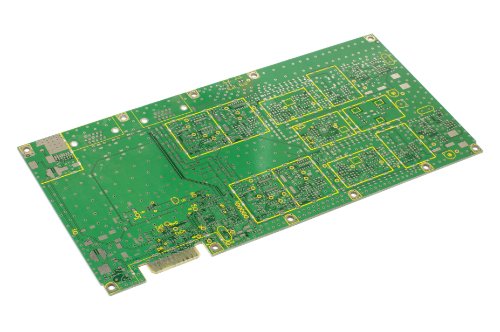
Choosing between a 2-layer and 4-layer printed circuit board affects performance, cost, routing flexibility, and long-term reliability. The right decision depends on signal speed, component density, EMI requirements, and manufacturability.
This guide explains the practical differences between 2-layer and 4-layer PCBs, including stackup structure, signal integrity, cost considerations, and when to scale beyond basic multilayer designs.
What Is a 2-Layer PCB?
A 2-layer PCB has copper on the top and bottom surfaces of the board. Components are placed on one or both sides, and routing occurs across the two copper layers.
2-layer boards are commonly used for:
- Low-speed digital circuits
- Simple analog designs
- Power supplies
- Cost-sensitive consumer electronics
For straightforward designs with minimal routing congestion, 2-layer boards can be an efficient and economical solution, particularly in early-stage builds supported by quick-turn PCB prototyping services.
4-Layer PCBs
A 4-layer PCB includes two additional internal copper layers, typically configured as solid power and ground planes. A common 4-layer PCB stackup looks like:
- Layer 1: Signal
- Layer 2: Ground plane
- Layer 3: Power plane
- Layer 4: Signal
This structure enables controlled impedance routing, improved return paths, and better EMI containment. Proper PCB stackup design becomes critical at this stage to ensure electrical performance and manufacturability.
4-layer boards are typically used in:
- High-speed digital systems
- Networking and server hardware
- RF and mixed-signal designs
- Industrial control systems
Designs operating at higher frequencies or tighter signal margins often require controlled impedance PCB fabrication to maintain predictable performance.
What are the Layers Used For?
The most important layer in a PCB is the copper signal layer, which is what the PCBs are named after. While 2-layer PCBs have two signal layers, 4-layer PCBs have – you guessed it – four. These signal layers are used to connect to other electronic components in the device. In between those layers is the insulation layer or core, which is added in between the signal layers to give it structure. In 4-layer PCBs, here’s also the solder mask layer, which is applied on top of the signal layers. This prevents the copper traces from interfering with other metal components on the PCB. They also have a silkscreen layer which is used to add numbers to the different components, making them easier to understand.
Signal Integrity and EMI Performance
One of the most important differences between 2-layer and 4-layer PCBs is signal integrity.
With only two copper layers, return currents must travel along routed ground traces, increasing loop area and susceptibility to noise. In contrast, 4-layer boards provide continuous reference planes that support:
- Shorter return paths
- Reduced radiated emissions
- Lower crosstalk
- More stable impedance control
For RF or microwave applications, dedicated reference planes and careful stackup planning are essential. Designs in these categories often transition to RF PCB fabrication services to meet performance requirements.
Routing Density and Board Size
As component density increases, routing congestion becomes a limiting factor on 2-layer boards. Adding internal layers allows designers to:
- Reduce trace length
- Minimize vias
- Shrink overall board size
- Simplify layout complexity
When designs require fine features, microvias, or high interconnect density, they may extend beyond standard 4-layer configurations into HDI PCB manufacturing.
Cost Considerations
A 4-layer PCB has higher fabrication costs due to additional lamination cycles and materials. However, total project cost is not determined by layer count alone.
A properly designed 4-layer board can:
- Reduce layout time
- Minimize respins
- Improve first-pass yield
- Reduce EMI debugging cycles
Understanding PCB fabrication cost drivers helps teams evaluate the full lifecycle impact rather than focusing solely on piece price.
When to Upgrade from 2 Layers to 4 Layers
You should strongly consider moving to 4 layers if your design includes:
- High-speed interfaces
- Dense BGAs or fine-pitch components
- Strict EMI requirements
- Controlled impedance traces
- Mixed analog and digital circuitry
Early collaboration with a fabrication partner offering design for manufacturability review services helps validate stackup decisions before layout is finalized.
Reliability and Industry Standards
Layer count decisions also affect long-term reliability. Applications in aerospace, defense, and medical electronics often require fabrication aligned with IPC standards or higher-level quality certifications.
For high-reliability environments, internal planes improve structural stability, thermal distribution, and electrical predictability.
Still Deciding Between 2-Layer and 4-Layer?
If you are unsure which configuration best supports your application, early stackup consultation can prevent costly redesigns.
Our engineering team can assist with:
- Stackup recommendations
- Controlled impedance modeling
- Material selection guidance
- Prototype-to-production planning
If you’re looking for PCB solutions, look no further than AdvancedPCB. We offer PCB assembly, barebones PCBs, free PCB design software, and so much more. Our 24-hour tech support team would love to help you– contact us today.

AdvancedPCB
Related Posts

Prototype PCB vs. Full Spec Production: A Guide for Design Engineers
Hard Gold, Hard Work: Designing PCB Edge Connectors That Last