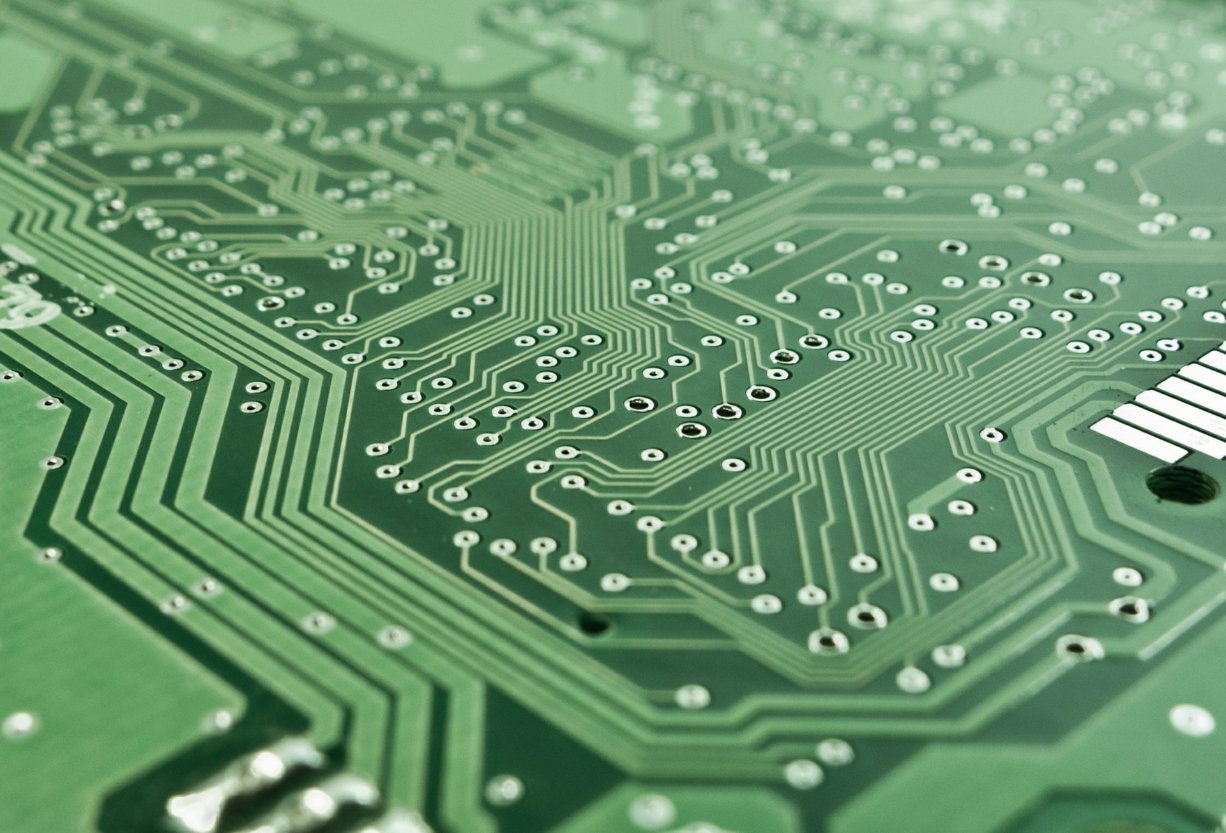
Epoxy Laminates and Printed Circuit Boards

.png?lang=en-US) For years, epoxy laminates and glass fiber have been the foundation of the printed circuit boards in use throughout the world. In essence, these materials make up the green board that houses the components, resistors and connections needed to run the entire operation. It is no surprise that the PCB market has the largest demand for these materials, which is leading to projected growth in the industry. As more and more product makers retool and improve home appliances and other devices, the performance limits of epoxy laminates and glass fiber will be tested. For the time being, these materials will continue to dominate due to their proven track record and the need for trusted PCBs for critical and delicate applications, such as those in the medical, defense and manufacturing industries.
For years, epoxy laminates and glass fiber have been the foundation of the printed circuit boards in use throughout the world. In essence, these materials make up the green board that houses the components, resistors and connections needed to run the entire operation. It is no surprise that the PCB market has the largest demand for these materials, which is leading to projected growth in the industry. As more and more product makers retool and improve home appliances and other devices, the performance limits of epoxy laminates and glass fiber will be tested. For the time being, these materials will continue to dominate due to their proven track record and the need for trusted PCBs for critical and delicate applications, such as those in the medical, defense and manufacturing industries.
Could New Laminates be on the Horizon for Printed Circuit Boards?
While epoxy laminates and glass fiber have been the top choice for printed circuit boards, the latest trends in technology could usher in new materials quickly. This is due to the fact that it is unknown how the current materials will perform under a variety of tests from newer devices. For example, new wearables and other devices that need to improve performance in smaller packages are springing up every day. As such, engineers and product designers are working to find solutions that meet the individual needs of each project. CompositesWorld reported in October of 2014 that changes were in the works, with market research firm Lucintel predicting that glass fiber yarns could change from ‘200 or 400 filaments in a 7- or 9-micron diameter, giving way to 50-filament, 4-micron yarn.’ Lucintel mentioned that manufacturers could actually move away from glass fiber due to greater performance requirements in most markets. By examining the laminates that are available to you the next time you place a PCB order you will be able to get a sense for how your circuit boards will perform under various conditions. Learn more about your options and get started on your next PCB design by contacting an expert at AdvancedPCB today.

AdvancedPCB
Related Posts

Prototype PCB vs. Full Spec Production: A Guide for Design Engineers
2-Layer vs. 4-Layer Printed Circuit Boards: How to Choose the Right Option