


PCB Board

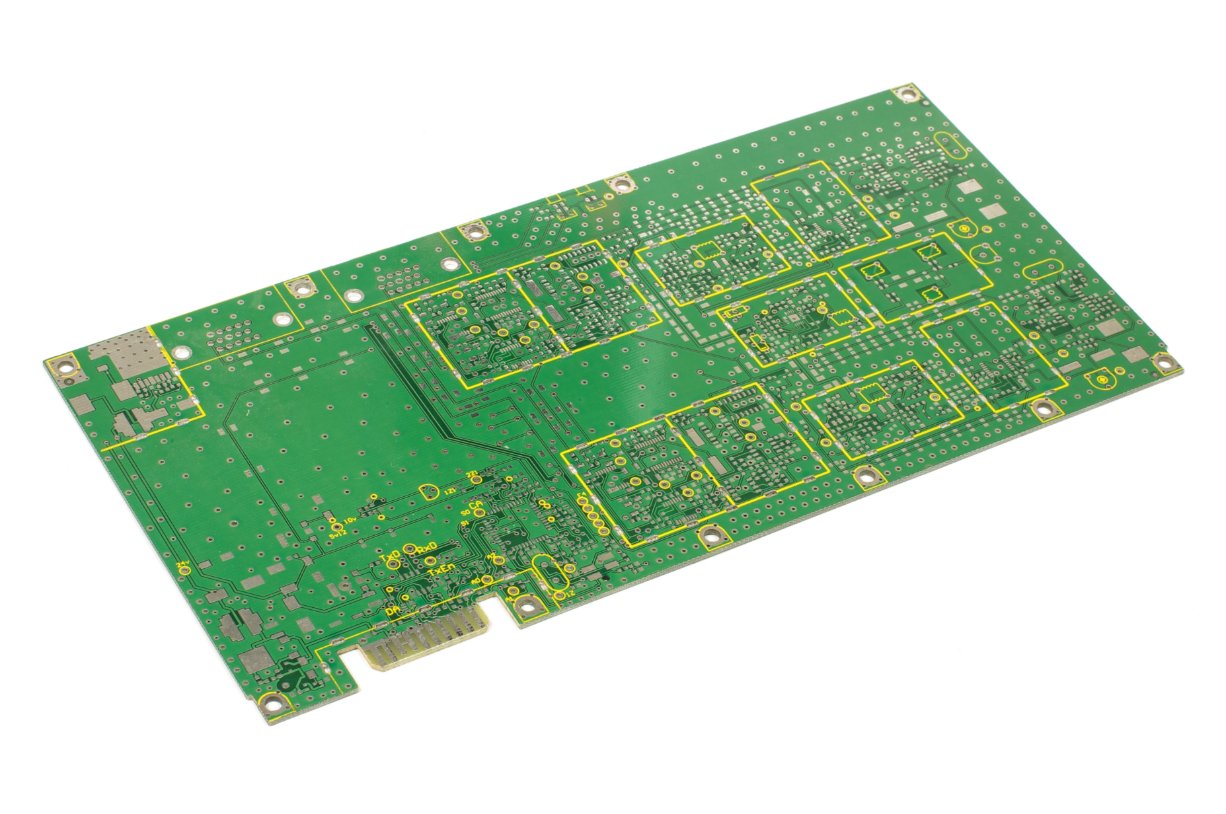
A printed circuit board, or PCB Board, is used to mechanically support and electrically connect electronic components using conductive pathways, tracks or signal traces etched from copper sheets laminated onto a non-conductive substrate. When the board has only copper tracks and features, and no circuit elements such as capacitors, resistors or active devices have been manufactured into the actual substrate of the board, it is more correctly referred to as printed wiring board (PWB) or etched wiring board. Use of the term PWB or printed wiring board although more accurate and distinct from what would be known as a true printed circuit board, has generally fallen by the wayside for many people as the distinction between circuit and wiring has become blurred. Today printed wiring (circuit) boards are used in virtually all but the simplest commercially produced electronic devices, and allow fully automated assembly processes that were not possible or practical in earlier era tag type circuit assembly processes.
Source:
Wikipedia, http://en.wikipedia.org/wiki/Printed_circuit_board
advancedpcb.com: PCB Board
Source:
Wikipedia, http://en.wikipedia.org/wiki/Printed_circuit_board
advancedpcb.com: PCB Board

AdvancedPCB
Related Posts

Prototype PCB vs. Full Spec Production: A Guide for Design Engineers
Printed Circuit Board manufacturers such as AdvancedPCB offer two main types of services- Printed Circuit Board Prototyping (PCB) and full spec production. But what exactly do these mean, and what does each have to offer?
Prototype PCB vs. Full Spec Production: A Guide for Design Engineers
Read More
2-Layer vs. 4-Layer Printed Circuit Boards: How to Choose the Right Option
When it comes to printed circuit boards (PCBs), there are infinite possibilities for how many layers you can have. Some supercomputers have nearly a hundred layers in their construction, but, the most common layered PCBs usually have only two or four layers.
2-Layer vs. 4-Layer Printed Circuit Boards: How to Choose the Right Option
Read More

PCB Design for Data Centers: Enhancing Efficiency and Performance
PCBs for data centers demand precise signal integrity, robust power delivery, and advanced thermal management to support high-speed networking, AI accelerators, and cloud infrastructure.
PCB Design for Data Centers: Enhancing Efficiency and Performance
Read More
Browse
All Categories
Recent Posts
View Recent Posts