


PCB Design Advancements | Blog

Today’s printed circuit boards (PCBs) are packed with components and functionality that has quickly made manual designs and construction a practice nearly relegated to the Stone Age. Even hobbyists and beginners can now very easily access complex software that makes quick work of simple projects, and promotes reliability and efficiency in design.
PCB design is a highly technical endeavor, and increasingly so with the advancements in board functionality and manufacturing capabilities:
PCB design software is the tool that enables engineers to maximize productivity, reduce errors, and produce working products in the shortest timelines.
No one likes rework, and going back to the “drawing board” after manufacturing can be time-consuming and expensive. Fortunately, there are effective solutions in the form of PCB design software that is available at reasonable prices – or at no cost.
It’s important to determine that the software selected fits within budgetary constraints (“free” will always do that), and provides all the features that will be needed for the existing project, as well as for the long haul.
PCB design is a highly technical endeavor, and increasingly so with the advancements in board functionality and manufacturing capabilities:
- High-Density Interconnect (HDI) boards that support incredibly large numbers of components in compact, lightweight packages.
- Multilayer PCBs – this is a technology almost in itself, with many considerations for design, layout, and manufacturability.
- Specialized attributes including flexible PCBs and industry-specific requirements for healthcare, military, and aerospace applications.
- The Internet of Things (IoT) that demands increasingly compact circuits with high-performance characteristics to power devices such as laptop computers, smartphones, and home automation.
PCB design software is the tool that enables engineers to maximize productivity, reduce errors, and produce working products in the shortest timelines.
Benefits of PCB Design Software
Simply put, PCB design software facilitates a faster, more accurate design, and catches many errors or problems that may have gone undetected with older methods. The earlier in the process that errors are uncovered, the less costly they are to remedy.No one likes rework, and going back to the “drawing board” after manufacturing can be time-consuming and expensive. Fortunately, there are effective solutions in the form of PCB design software that is available at reasonable prices – or at no cost.
Features Provided by the Best PCB Design Software
Narrowing the search for the best PCB design software is relatively simple, once it’s determined what features truly apply for the designs to be generated. Factors for the decision:- How complex the PCBs designs will be – starting with very basic software when HDI/multilayer designs will be forthcoming is not in the designer’s best interest.
- Learning curve required for the software – designers need to get up and running with software quickly and without a high level of frustration.
- How often the software is updated – as methods and technology change, regular updates are essential.
- Architecture – some software is designed specifically for Windows environments, while others are limited to MAC or Linux computers. Be sure to select one that applies to the existing infrastructure.
- Experience – how long has the software been available? Newer may not be better.
- What is the software vendor’s background? Those with knowledge of PCB manufacturing capabilities and constraints may provide the best solution.
- Licensing – does it require annual or other periodic renewal, at additional expense?
- Sharing – can multiple engineers share the software and designs created?
- Support available – if help is not responsive, look elsewhere.
- Component library – with periodic updates – this is a must-have feature, allowing the designer to pick and place components as needed.
- Custom components – there may be specific components unique to the designer’s environment and industry. This will allow creation, saving, and reuse of custom items.
- Reporting – need to create a parts usage list, and save for reference.
- Creation of Gerber files when ready for manufacturing.
- Design rules – create ad hoc design rules for validation of finished or in-process designs.
- Help text that guides designers through questions in real time.
- Automatic repositioning of connections when components are moved.
- Simple drag-and-drop positioning of components and traces.
- Standard templates available for quick-start use of the program.
Making the Most of PCB Design Software
Naturally, the goal of selecting the best PCB design software is to complete the design in the least time, with the best possible results for successful manufacturing of the working prototype or finished product.It’s important to determine that the software selected fits within budgetary constraints (“free” will always do that), and provides all the features that will be needed for the existing project, as well as for the long haul.

AdvancedPCB
Related Posts

Prototype PCB vs. Full Spec Production: A Guide for Design Engineers
Printed Circuit Board manufacturers such as AdvancedPCB offer two main types of services- Printed Circuit Board Prototyping (PCB) and full spec production. But what exactly do these mean, and what does each have to offer?
Prototype PCB vs. Full Spec Production: A Guide for Design Engineers
Read More
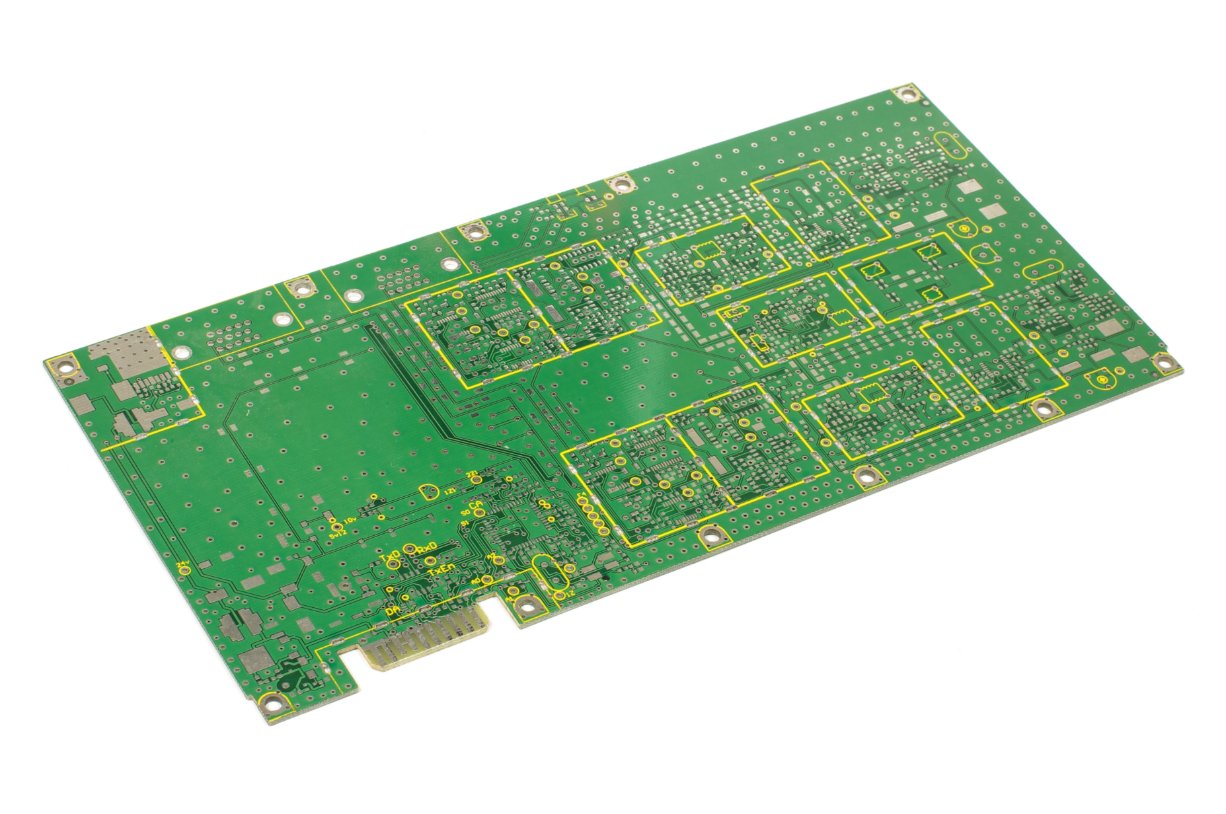
2-Layer vs. 4-Layer Printed Circuit Boards: How to Choose the Right Option
When it comes to printed circuit boards (PCBs), there are infinite possibilities for how many layers you can have. Some supercomputers have nearly a hundred layers in their construction, but, the most common layered PCBs usually have only two or four layers.
2-Layer vs. 4-Layer Printed Circuit Boards: How to Choose the Right Option
Read More
The Hidden Influence of Solder Mask on PCB Quality and Performance
Solder mask plays a critical role in PCB assembly yield, electrical reliability, and long-term performance. This article explains what solder mask does, the different types available, how it is applied, and the key design rules engineers need to consider.
The Hidden Influence of Solder Mask on PCB Quality and Performance
Read More
Browse
All Categories
Recent Posts
View Recent Posts