


The Hidden Influence of Solder Mask on PCB Quality and Performance

Solder mask is a protective polymer layer applied to printed circuit boards (PCBs) that shields copper features, controls solder flow during assembly, and enhances long-term reliability. While often viewed as a secondary fabrication step, solder mask is a critical process control layer that directly influences assembly yield, defect rates, and field performance.
This guide explains what solder mask does, available types, how it is applied, and the design rules that matter most. It also covers color selection, process considerations, relevant IPC standards, and material innovations. With a solid grasp of solder mask behavior, engineers can better balance manufacturability, electrical performance, and appearance across both new designs and mature products.
What Is Solder Mask?
Solder mask, also referred to as solder resist, is a thin, durable coating applied over copper features on a PCB, leaving only intended solderable areas exposed. Its primary function is to prevent unintended solder bridging during reflow, wave, or selective soldering, particularly in fine-pitch and high-density layouts.
Beyond solder control, solder mask provides electrical insulation, protects copper from oxidation, and serves as a barrier against moisture, flux residues, and environmental contaminants. By limiting exposed copper surface area, solder mask also helps reduce the risk of electrochemical migration in the presence of humidity and electrical bias, a common contributor to latent reliability failures.
Types of Solder Mask
Different solder mask technologies support different levels of feature resolution, uniformity, and environmental performance. Selection depends on layout density, reliability requirements, and manufacturing capability.
-
Liquid Photo-Imageable (LPI) Solder Mask: LPI is applied as a liquid via screen or spray coating, then UV-imaged and developed. It supports fine features, tight registration, and cured thickness control. With direct imaging, LPI can reliably achieve solder mask dams in the 3–4 mil range, making it suitable for dense SMT, QFN, and BGA designs.
-
Dry Film Solder Mask: A pre-formed film laminated to the panel. It provides consistent thickness and is sometimes used where uniformity is critical. However, its resolution and registration capability are generally lower than LPI, and it is less common for ultra-fine-pitch designs.
-
Epoxy Screen-Printed Mask: A legacy option used primarily for low-density or cost-sensitive boards. It offers basic protection but lacks the resolution, uniformity, and process robustness required for modern SMT assemblies.
-
Peelable Solder Mask: A temporary mask used to protect plated through-holes, connectors, or test points during assembly. It is removed after soldering to expose the protected features.
-
Specialty Formulations:Designed for high-temperature, high-voltage, flexible, or chemically aggressive environments. These are commonly specified for automotive, aerospace, medical, and industrial applications where standard LPI masks may not meet performance requirements.
As a general guideline, LPI solder mask should be selected for most high-density and high-reliability designs, while specialty masks should be specified only when environmental or mechanical demands justify them.
Solder Mask Application Process
Solder mask application is an integral step in PCB fabrication, typically performed after copper pattern plating and etching, but before surface finish. Because it gates downstream assembly yield, it is treated as a controlled, repeatable process in high-quality manufacturing environments.
A typical LPI process includes:
- Surface Preparation: Panels are cleaned and micro-etched to promote adhesion and remove oxides, residues, and oils.
- Coating: Liquid mask is applied via screen printing or spray coating to achieve a uniform layer.
- Imaging: UV exposure through a phototool or direct imaging system cures areas intended to remain, leaving pad openings unexposed.
- Development: Unexposed mask is removed, opening pads, vias, fiducials, and defined features.
- Post-Cure: Thermal and or additional UV curing completes polymer crosslinking and finalizes mechanical and chemical properties.
- Inspection: Registration, opening size, thickness, and coverage are verified prior to surface finish.
Process control is critical. Variations in viscosity, exposure energy, alignment, or curing can lead to misregistration, pinholes, brittle mask, or inconsistent thickness. Because solder mask defects are a common source of both cosmetic and functional rejects, experienced fabricators apply inspection criteria comparable to copper imaging.
Design Considerations for Solder Mask
Effective solder mask design improves yield, reduces rework, and stabilizes inspection outcomes. These rules should be aligned early with the fabricator’s capabilities.
Clearances and Expansion
Solder mask openings are typically larger than copper pads to account for registration tolerance. Typical expansion ranges from 2 to 5 mil per side, depending on pad size and process capability. Non-solder mask defined pads are standard for most SMT components due to better solder wetting and joint geometry.
Minimum Web or Dam Width
Adequate solder mask dams between adjacent pads are essential to prevent solder bridging. For fine-pitch QFN and BGA designs, minimum dams are commonly 3–4 mil with LPI and direct imaging, but must be confirmed with the manufacturer.
Thickness Control
Cured LPI thickness on copper typically ranges from approximately 0.8 to 1.2 mil. Thicker masks improve insulation and protection, while thinner masks support very fine geometries. Thickness selection should consider assembly method, environmental exposure, and inspection requirements.
Via Treatment
Vias may be tented, filled, plugged, capped, or left open depending on function. Tented vias reduce solder wicking and contamination but must be properly cured to avoid flux entrapment. Filled and capped vias are common in HDI and RF designs where surface planarity is critical.
SMD vs NSMD Pads
Non-solder mask defined pads are preferred for most SMT due to improved solder fillets and inspection visibility. Solder mask defined pads are sometimes used for fine-pitch BGAs where copper pull-back and mechanical stability are concerns. Selection should be guided by component pitch and manufacturing input.
Data Preparation
Design data must include accurate solder mask layers with correct polarity and documentation for special requirements such as peelable mask, via tenting, or unmasked thermal or shielding areas. Many yield losses occur when solder mask intent is unclear at CAM.
Solder Mask Colors and Their Significance
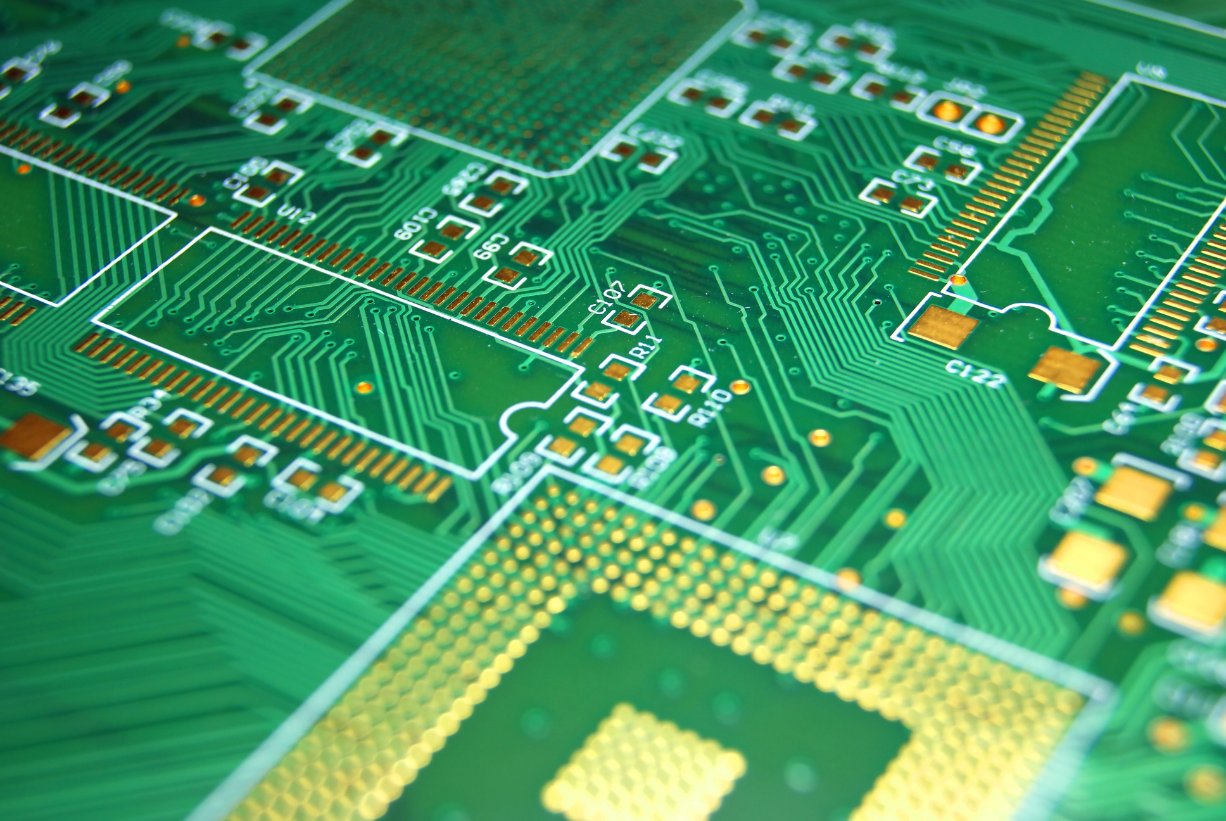
Green remains the most widely used solder mask color due to its stable processing characteristics and excellent contrast for inspection. Other colors, including black, white, red, and blue, are commonly used for branding or functional reasons.
Green provides optimal contrast with silkscreen and metallic pads, aiding AOI and manual inspection. Black masks offer a premium appearance but can reduce inspection contrast and increase AOI false calls. White masks are often used in LED and optical applications due to high reflectivity, though they may show flux discoloration more readily.
Pigments can influence UV exposure behavior, thermal absorption, and inspection sensitivity. When non-green colors are specified, exposure parameters and AOI settings may need adjustment to maintain registration and defect detection.
Future Trends in Solder Mask Technology
Solder mask improvements include enhanced adhesion to high-Tg laminates, increased resistance to aggressive flux chemistries, and reduced ionic contamination for high-reliability applications.
Direct imaging systems enable finer features and tighter registration, supporting ultra-fine-pitch components and dense layouts. Materials are also being optimized for high-speed and RF designs, with attention to dielectric loss and surface roughness over microstrip traces.
Specialty masks for high-voltage isolation, flexible circuits, and extreme temperature environments are expanding across aerospace, automotive, medical, and industrial markets. Environmental initiatives focus on low-VOC chemistries, water-based developers, and closed-loop processing to improve sustainability without sacrificing yield.
Relevant IPC Standards
- IPC-SM-840: Qualification and performance specification for permanent solder mask
- IPC-6012: Qualification and performance specification for rigid printed boards
- IPC-A-600: Acceptability of printed boards
- IPC-2221: Generic standard on printed board design
- IPC-7351: Generic requirements for surface mount design and land patterns
Is solder mask necessary for every PCB?
For most applications, yes. Solder mask improves assembly yield, reduces shorts, and enhances environmental protection. Designs without mask are typically limited to niche or high-current use cases.
Does solder mask affect impedance-controlled traces?
Yes. Solder mask changes the dielectric environment above surface traces and can slightly lower impedance. This effect should be included in stackup modeling for high-speed microstrip designs.
Can solder mask be applied to flex circuits?
Yes. Flexible solder masks are formulated to bend without cracking. Thickness and clearance rules should be adjusted for the flex stack-up and bend requirements.
What is peelable solder mask used for?
It temporarily protects areas such as connectors or plated through-holes during assembly and is removed afterward.
How do I specify solder mask thickness?
Start with the fabricator’s standard cured LPI thickness, commonly around 0.8–1.2 mil, and adjust based on environmental, mechanical, or geometric needs. Always confirm current capability tables.
Related Posts
ENIG PCB Finish

5 Reasons ‘Working’ Schematics Fail During PCB Layout
.png?resizemode=force&maxsidesize=1226)