Avoiding early PCB design mistakes reduces rework, prevents fabrication delays, and leads to a higher-quality end product. Many cost drivers are introduced long before layout or routing begins, often due to missing input, limited review, or underutilization of available tools. Addressing these issues early helps engineers move into fabrication with confidence and fewer surprises.
1. Designing Without Early Fabricator Involvement
One of the most expensive early mistakes is failing to involve the anticipated fabricator during the design stage. Every PCB manufacturer operates with specific processes, capabilities, and equipment that influence how efficiently a board can be produced. When design specifications are not aligned with these realities, the result may be special setups, longer lead times, higher costs, or designs that cannot be fabricated as intended. Early manufacturer input helps engineers create designs that are not only functional, but also optimized for cost, yield, and speed. Aligning constraints upfront avoids redesigns and wasted time later in the cycle.
2. Skipping Independent Design Reviews
Designers often work under tight schedules and intense focus on functional requirements. This makes it easy to overlook errors or edge cases that only become visible later in the process. Seeking a second or third review from another engineer or technician can reveal issues that would otherwise lead to rework or failed prototypes. The later a mistake is discovered, the more expensive it becomes to correct. Independent reviews are one of the most cost-effective ways to reduce risk early.
3. Inefficient Component Placement and Layout Strategy
As electronic products become smaller, lighter, and more densely packed, component placement and layout discipline become critical. Poor placement can lead to routing congestion, signal integrity issues, and manufacturability challenges. These layout mistakes often require rework or multiple prototype spins to resolve. Efficient placement strategies that consider signal flow, power distribution, and assembly requirements help ensure reliability and simplify routing from the outset.
4. Insufficient Testing Planning
Testing should be considered early in the design process, not after prototypes are built. While a PCB may function during initial testing, environmental factors such as temperature, vibration, or electrical noise can cause failures once the board is integrated into a final product. Designs should be evaluated with real-world operating conditions in mind to ensure long-term reliability and stability.
5. Poor Data and Output Discipline
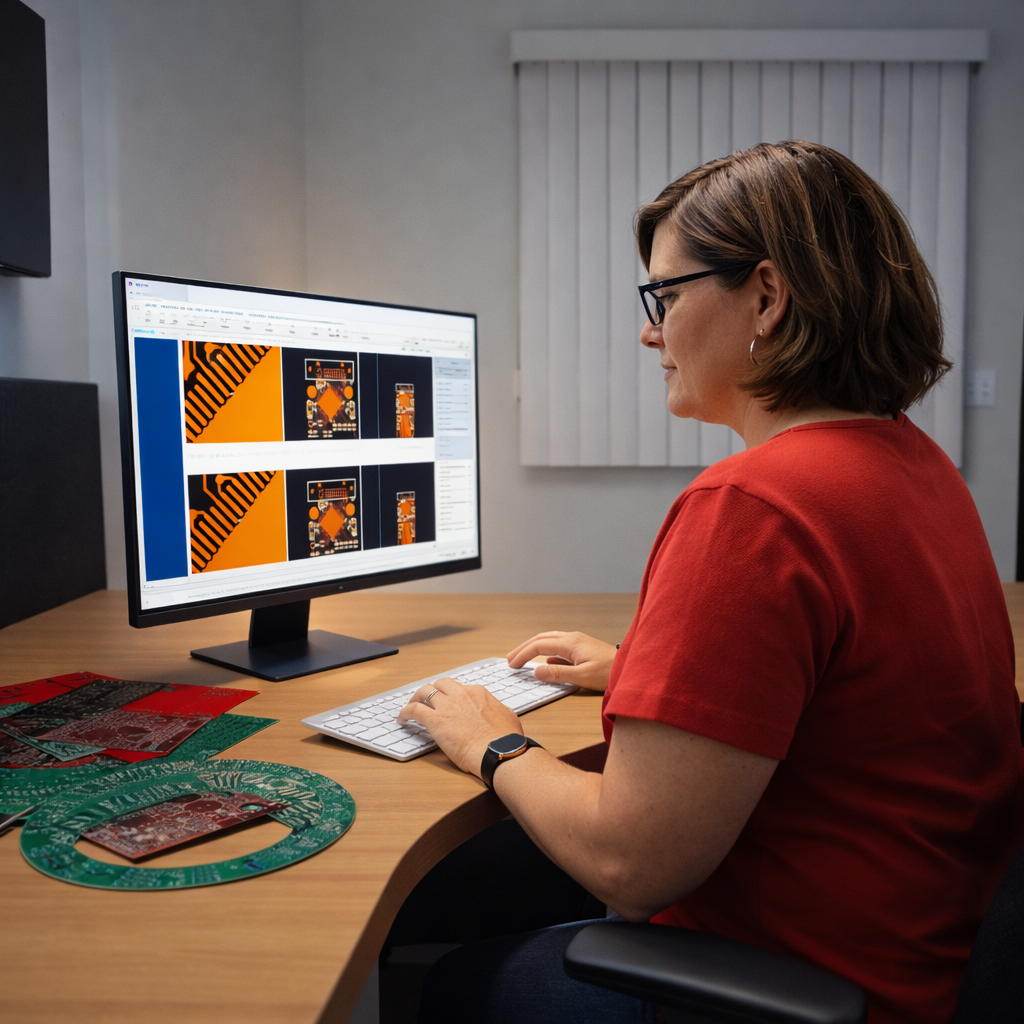
Even strong designs can fail if manufacturing data is flawed. Common issues include incorrect or inconsistent file naming, empty or incomplete Gerber files, missing layer data, or conflicting specifications between layers. These problems often cause fabrication delays and require additional clarification or correction. Clear, consistent output data and early file checking help eliminate confusion and reduce unnecessary back-and-forth with the fabricator.
6. Not Fully Using Available Design Tools
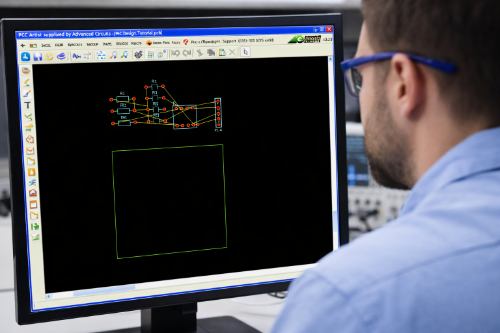
Ignoring modern PCB design tools is a critical and avoidable mistake. Today’s software can assist with component placement, rule checking, schematic-to-layout consistency, and prototype development. Many high-quality tools are cost-effective or even free. Using structured design tools helps engineers identify errors early, apply constraints consistently, and reduce manual effort throughout the design process.
7. Designing Without Manufacturing in Mind
A design that works perfectly in theory has little value if it cannot be manufactured within budget or at all. Manufacturing considerations such as spacing rules, drill sizes, materials, and assembly constraints should influence decisions from the beginning of the design cycle. Maintaining close collaboration with manufacturing partners throughout the design process ensures that technical ambition remains aligned with practical production realities.
Reducing Early Risk With the Right Tools
Many of these mistakes can be avoided by adopting a disciplined, structured approach early in the design process. AdvancedPCB’s
free PCB Artist software supports early constraint definition, schematic discipline, layout planning, and consistency checking to help engineers reduce rework and improve manufacturability before files are released. Learn more or download PCB Artist here:
https://www.advancedpcb.com/en-us/tools/pcb-artist-software/
Early PCB Design Cost-Reduction Checklist
-
Involve your intended fabricator early in the design process.
-
Define board size and mechanical constraints before layout.
-
Select the minimum layer count required by electrical needs.
-
Choose materials based on performance requirements, not assumptions.
-
Maintain clear schematic discipline and consistent net naming.
-
Optimize component placement before routing begins.
-
Plan for testing under real operating conditions.
-
Run independent design reviews early.
-
Validate Gerber files for completeness and consistency.
- Use modern PCB design tools to enforce rules and reduce errors.
- Design with fabrication and assembly constraints in mind.
FAQs: PCB Design Decisions and Cost Control
1. When is PCB cost really determined in the design process?
PCB cost is largely determined during the earliest design stages, before layout begins. Decisions around board size, layer count, materials, schematic structure, and manufacturability constraints set the baseline for fabrication cost, lead time, and risk. Changes made later in the process are typically more expensive and disruptive.
2. Why does involving the PCB manufacturer early reduce cost?
Each manufacturer has specific processes, equipment, and design constraints that affect efficiency and yield. Involving the fabricator early helps align the design with those capabilities, reducing special setups, redesigns, and fabrication delays. Early collaboration often results in a design that is easier and faster to produce.
3. How do schematic mistakes increase PCB layout and fabrication issues?
Poor schematic discipline such as inconsistent net naming, unclear power and ground definitions, or missing connectors can lead to confusion during layout and manufacturing data generation. These issues often surface late, requiring rework or clarification that delays fabrication and increases cost.
4. What are the most common Gerber file problems that delay fabrication?
Common Gerber issues include flawed file naming, empty or incomplete files, missing layer data, and conflicting specifications between layers. These problems can halt fabrication while issues are investigated and corrected, leading to lost time and added cost.
5. How can design tools help prevent early PCB design mistakes?
Modern PCB design tools help enforce schematic discipline, define board constraints early, check for errors, and maintain consistency between schematic and layout. Using these tools from the start reduces manual errors, improves manufacturability, and minimizes costly revisions later in the process.