AdvancedPCB Explains Single, Double-Sided and Multi-Layer PCBs

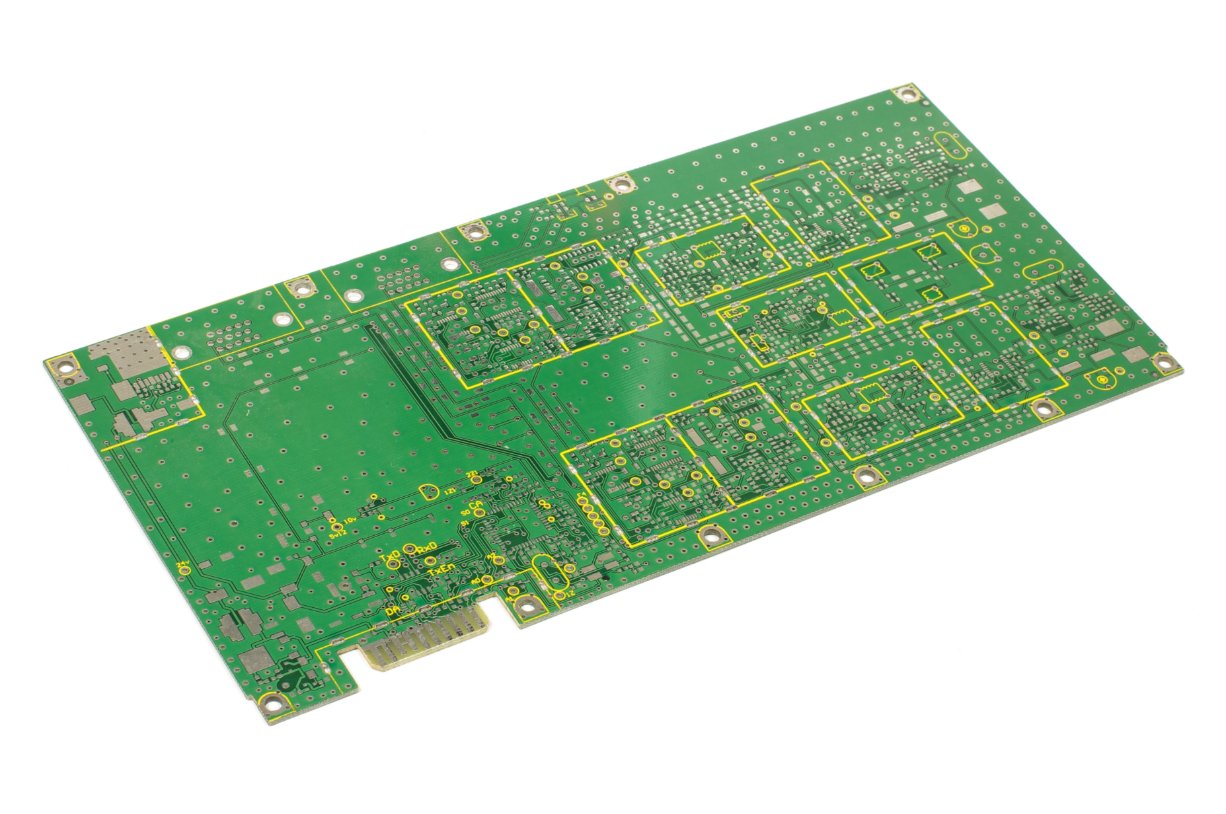
When you are in the process of building your printed circuit boards it is important to understand the differences between types of PCBs so you choose the one that will be best for your application. AdvancedPCB is here to help you get PCBs you need and offers tips to get you started in the right direction. Single sided boards are made from rigid laminate with copper on one side of varying thickness. Double-sided boards differ in that they have copper on both sides of the laminate. A multi-layer PCB has copper foil on the top and bottom and “inner layer†cores. Each type of PCB has its own unique advantages so work with an AdvancedPCB expert to get the one that is best for you.
Designing Your PCB with Software from AdvancedPCB
You can create your custom PCB with PCB Artist software from AdvancedPCB. This free tool allows you to design your PCB and get your Gerber files checked before placing your order so you can work out any manufacturability issues that may arise beforehand. Contact a representative at AdvancedPCB today for more information.

AdvancedPCB
Related Posts

Prototype PCB vs. Full Spec Production: A Guide for Design Engineers
2-Layer vs. 4-Layer Printed Circuit Boards: How to Choose the Right Option