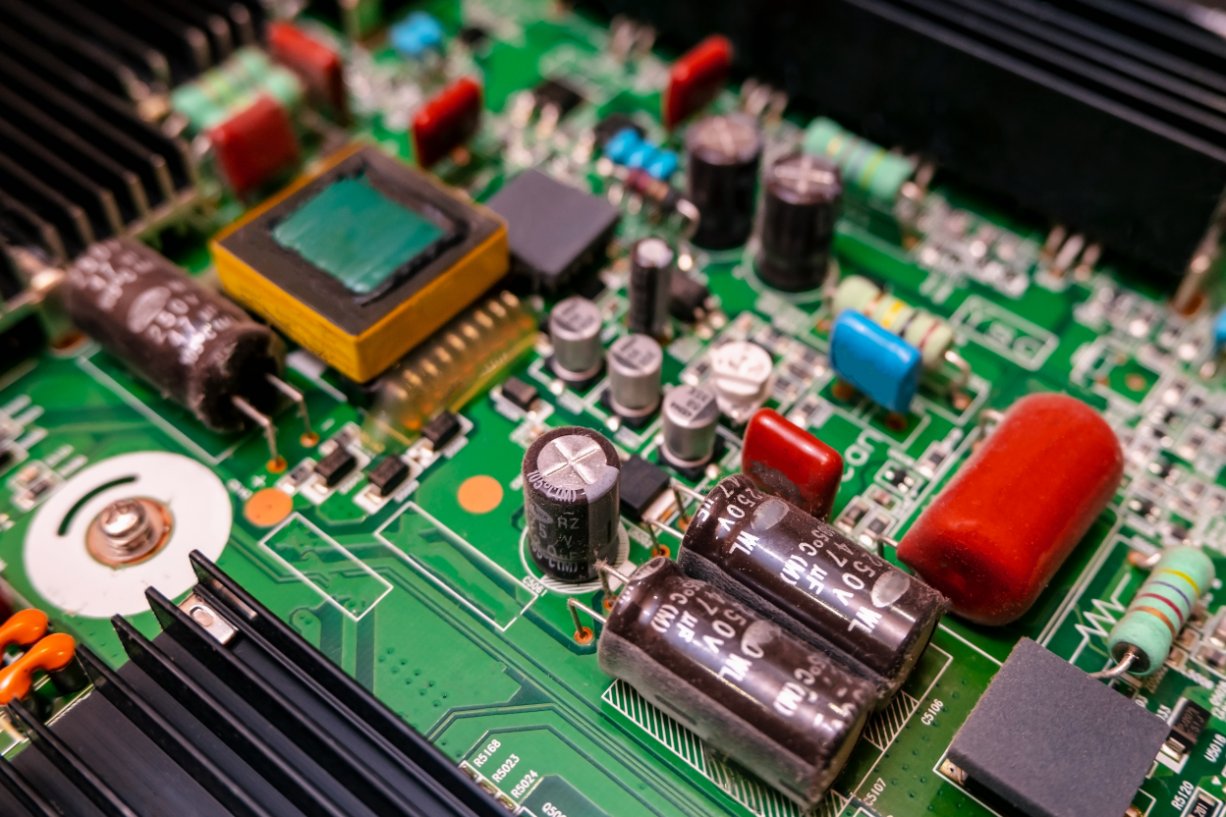
Circuit Card Assembly (CCA)
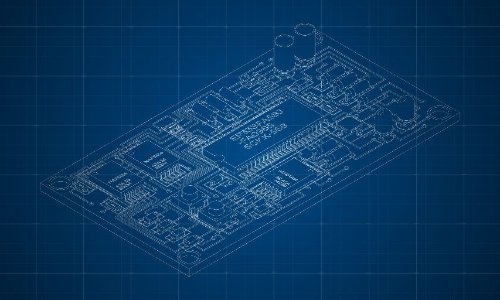
Introduction: What a Circuit Card Assembly Is and Why It Matters
A circuit card assembly (CCA) is a printed circuit board populated with components, verified through inspection and testing, and ready for integration into a larger system. By contrast, a bare circuit card is the unassembled board with copper features and no parts. In many environments you will also see PCA and PCBA (printed circuit board assembly). These terms are often used interchangeably with CCA, especially outside aerospace and defense; the practical deliverable is the same: an assembled, tested card assembly.CCAs underpin products across aerospace and defense, medical devices, industrial automation, networking and telecom, energy, automotive, and consumer electronics. Key considerations include reliability requirements and environmental ruggedness, scalability from prototypes to production, regulatory requirements and quality standards such as IPC Class 3 workmanship requirements, AS9100D, ISO 13485, and ISO 9001.
Partnering with the right assembler influences outcomes from the first build. An experienced team improves design for manufacturability and assembly, reduces rework, supports rapid prototyping and flexible NPI, and enforces process control and comprehensive test coverage. The result is fewer surprises, predictable lead times, and a clear path to certification. For teams asking what is a circuit card assembly in practice, it is this combination of a built circuit card, proven processes, and documented verification.
CCA vs. PCB Assembly: What’s the Difference?
In practical usage, circuit card assembly and PCB assembly describe the same outcome: a component-populated and verified board. CCA is commonly used in aerospace and defense programs and documentation, while PCBA appears more frequently in commercial and industrial contexts. Both encompass the full build cycle, including soldering, inspection, and test. When comparing quotes or specifications, focus on scope (e.g. inspection levels, test strategy, cleaning, conformal coating, and traceability) rather than the label. Whether the document says circuit card or PCBA, ensure the card assembly scope is explicit and measurable.
| Term | Definition |
|---|---|
| PCB | Bare printed circuit board |
| Circuit Card | Another term for PCB |
| PCBA | Assembled PCB |
| CCA | Circuit Board Assembly |
| PCA | Printed Circuit Assembly |
Essential Components and Technologies in Circuit Card Assembly
Modern CCAs blend diverse component types and interconnect strategies. Typical mixes include:
-
Surface mount devices such as resistors, capacitors, diodes, and integrated circuits
-
Through-hole parts like connectors, transformers, relays, and mechanical switches
-
Advanced packages including BGAs and micro-BGAs, fine-pitch QFNs and QFPs, and high-speed connectors
-
Power components and thermal solutions that shape current handling and heat dissipation
Board-level factors such as layer stack-up, controlled impedance, thermal reliefs, copper balancing, and keep-out zones are critical to signal integrity, power integrity, and manufacturability.
Assembly methods span the full toolbox. Surface mount processes rely on precise solder paste deposition, high-accuracy pick-and-place, and reflow profiles tuned to component materials and solder alloys. Through-hole operations use wave soldering for volume efficiency or selective soldering for thermal control near sensitive parts. Post-assembly finishes such as conformal coating and encapsulation enhance protection against moisture, particulates, and corrosive exposure in harsh environments.
Inspection and test safeguard quality and yield. Automated optical inspection verifies polarity, placement, and solder joints. X-ray reveals hidden defects such as BGA voiding, insufficient solder, head-in-pillow defects, and solder bridging beneath bottom-terminated components. Electrical coverage is achieved through in-circuit test (ICT), flying probe testing, or boundary scan, depending on product volume and access requirements. These layers work together to detect defects early and build confidence in field reliability across every circuit card assembly.
Circuit Card Assembly Process: From DFM/DFA to Final Test
Design for Manufacturability (DFM) and Design for Assembly (DFA) begin before layout is locked. Early collaboration helps standardize footprints and fiducials, optimize solder paste apertures, define panelization and tooling, align component orientation for consistent reflow, and validate thermal and mechanical clearances. Addressing issues here prevents board spins and material scrap later and clarifies what is a circuit card assembly deliverable for each build.
A typical flow includes:
-
NPI and prototyping to confirm materials, methods, and test strategy
-
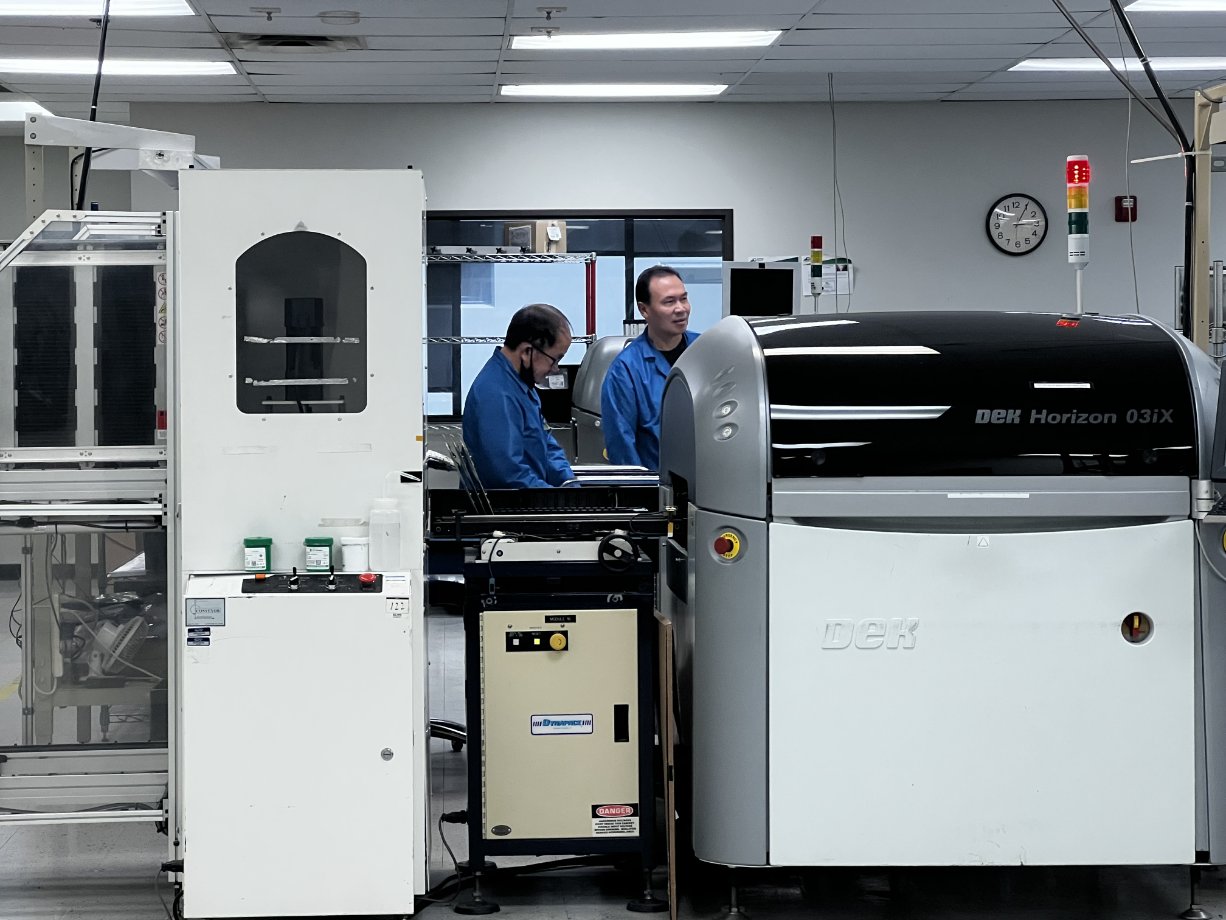
Stencil fabrication or jet paste printing for controlled solder paste application
-
High-speed pick-and-place followed by profile-controlled reflow soldering
-
Wave or selective soldering for through-hole components
-
Cleaning to remove flux residues when required for high-reliability or coating
Quality control is continuous. AOI and X-ray follow soldering. First article inspections validate placements and programming. ICT and functional tests confirm electrical performance. Traceability links each assembly to solder paste lots, component batches, and PCB fabrication data. Statistical process control (SPC) and process capability monitoring on critical assembly characteristics support certification and production ramp activities. Documented travelers, controlled work instructions, and change management maintain repeatability lot to lot across every card assembly.
How to Evaluate a CCA Supplier
Prioritize partners that can flex from quick-turn prototypes to low- and medium-volume production with scalable capacity. Relevant certifications signal disciplined processes. Supply chain resilience is essential: approved vendor lists, multi-sourcing, lifecycle and obsolescence management, and proactive alternates when markets tighten. Quick-turn options, clear change control, and transparent communication help compress schedules without compromising quality.
Value-added capabilities enhance outcomes:
-
DFM/DFA support with guidance on thermal and signal integrity
-
Component sourcing with counterfeit avoidance and approved alternates
-
Test development including ICT fixtures, boundary scan, and custom functional test
-
Box-build and system integration: enclosure assembly, harness installation, firmware loading, and final system test
-
Conformal coating, potting, and environmental stress screening for rugged applications
Expect cost clarity and realistic lead times. The best partners provide itemized quotations for materials, labor, tooling, and test, with schedules tied to market availability. Strong warranty terms, failure analysis, and post-production support demonstrate commitment to long-term reliability for every circuit card they build.
Related Posts
.jpg?resizemode=force&maxsidesize=1226 "Prototype PCB Fabrication in the US")
Prototype PCB Fabrication in the USA
Choosing a PCB Assembly Manufacturer: What Engineers Should Know