


ITAR Compliance
ITAR compliance is essential for organizations that design, fabricate, or assemble hardware for U.S. defense programs. From PCB fabrication to assembly and test, any activity that involves controlled defense articles or related technical data must satisfy strict regulatory controls. This guide clarifies what ITAR is, how it applies to electronic components and printed circuit boards, and the concrete steps manufacturers can take to build a robust, auditable compliance program that aligns with ITAR regulations and ITAR requirements.
What ITAR Is and Why It Matters
The International Traffic in Arms Regulations (ITAR) is a U.S. export control framework administered by the Department of State’s Directorate of Defense Trade Controls (DDTC). ITAR governs the manufacture, export, temporary import, and brokering of defense articles, defense services, and related technical data listed on the United States Munitions List (USML). Items not subject to the USML may fall under the Export Administration Regulations (EAR) overseen by the Department of Commerce. In practice, understanding ITAR regulations and the International Traffic in Arms Regulation ITAR framework is foundational to effective ITAR compliance.
For electronics, ITAR can cover specific components, assemblies, and printed circuit boards designed, modified, or configured for a military end use, as well as the associated ITAR data. Examples include PCB stack-ups, controlled materials, controlled impedance designs, schematics, fabrication and assembly drawings, Gerber and drill files, CAM data, netlists, firmware source code tied to a defense article, and process documentation that reveals design intent or performance. Even a deemed export can occur if controlled ITAR data is shared with a non-U.S. person through collaboration tools or cloud platforms, which would violate ITAR rules and ITAR restrictions.
Non-compliance risks are severe. Potential consequences include civil and criminal penalties, debarment from government contracts, loss of export privileges, program delays, supply chain interruptions, and reputational harm. Proactive controls and clear procedures that satisfy ITAR requirements are critical to protect programs and sustain delivery schedules under the International Traffic in Arms Regulations.
Key Requirements for ITAR Compliance in Electronics Manufacturing
-
Registration and licensing: Companies that manufacture, export, or furnish technical data for defense articles generally must register with DDTC. Accurate jurisdiction and classification (USML for ITAR or the Commerce Control List (CCL) for EAR) determine licensing obligations. For PCB work, confirm classification early, identify end use and end user, and obtain required licenses or Technical Assistance Agreements (TAAs) before sharing controlled ITAR data or shipping hardware, in line with ITAR rules.
-
Controlled technical data handling: Restrict access to authorized U.S. persons using role-based permissions, need-to-know controls, and project segregation. Store controlled files in encrypted repositories hosted in the United States with detailed audit trails. Use end-to-end encryption for transmission, enforce multifactor authentication, and apply session timeouts. Clearly label all controlled files, prints, and containers with ITAR warnings, and properly redact or separate releasable content to comply with ITAR regulations and ITAR restrictions.
-
Recordkeeping, audits, and reporting: Maintain complete records of registrations, classifications, licenses, visitor logs, manufacturing travelers, data access logs, and shipping documentation, typically for five years from the last transaction. Conduct periodic internal audits to verify process adherence and supplier compliance. Report suspected violations promptly, implement corrective actions, and document remedial training and procedural updates to sustain ongoing ITAR compliance under the International Traffic in Arms Regulation ITAR framework.
Practical Steps to Implement and Maintain IT Security and Compliance
Governance and training: Establish a written ITAR compliance program led by a designated compliance officer empowered to enforce controls. Provide initial and annual training for engineers, CAM programmers, planners, buyers, and quality teams covering data handling, visitor control, export licensing triggers, and incident reporting. Include onboarding and offboarding procedures to manage access rights and confidentiality obligations consistent with ITAR requirements and ITAR rules.
Secure manufacturing practices: Control facility access with badging, visitor escorts, and restricted areas for ITAR workcells. Segregate ITAR jobs both physically and digitally, including separate tooling, fixtures, and part numbers where feasible. Vet subcontractors and service providers for capability under the International Traffic in Arms Regulations, obtain written attestations, and flow down compliance requirements in purchase orders. Align IT security with recognized frameworks when applicable (for example, NIST SP 800-171), including endpoint protection, encrypted storage, secure backups, data loss prevention, log retention, and continuous monitoring to safeguard ITAR data and meet ITAR restrictions.
Domestic manufacturing and supply chain strategy: Keeping fabrication, assembly, and documentation within the United States simplifies control of technical data and personnel access. Use U.S.-based, ITAR-registered fabricators, assemblers, and material suppliers; ensure documentation remains onshore; and confirm couriers and brokers understand shipping requirements under the International Traffic in Arms Regulation ITAR framework. This approach strengthens traceability, accelerates audit response, and supports consistent ITAR compliance throughout the program lifecycle.
Quick Reference: ITAR vs. EAR in Electronics
| Aspect | ITAR (State / DDTC) | EAR (Commerce/BIS) |
|---|---|---|
| Scope | Defense articles/services and related technical data on the USML | Dual-use and commercial items on the CCL |
| Typical Items | Military-specific PCBs, assemblies, and designs | Commercial electronics with potential military applications |
| Licensing | DDTC licenses, TAAs, MLAs as applicable | BIS licenses or license exceptions depending on ECCN |
| Data Access | U.S. persons only unless licensed | May allow foreign access subject to controls |
Build a Confident, Auditable ITAR Program
By aligning clear policies, secure processes, and rigorous supplier oversight, manufacturers can confidently accept ITAR-restricted projects, protect sensitive ITAR data, and avoid costly disruptions. Early classification, disciplined data handling, and onshore execution are proven ways to meet ITAR requirements while maintaining schedule and quality under the International Traffic in Arms Regulations and related ITAR rules.
Related Posts

Beyond ISO 9001: Why AS9100D is the Right Quality Standard for Your Aerospace PCBs
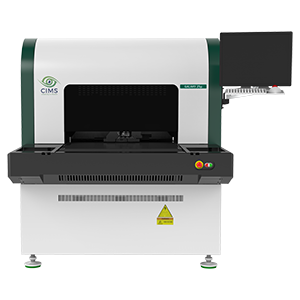
AdvancedPCB Installs New Galaxy 25µ CIMS AOI System
