


How to Become an Electrical Engineer
.jpg?resizemode=force&maxsidesize=500)
.jpg?lang=en-US) As you continue on your collegiate career, it may seem difficult to choose one field that you want to specialize in. If you’ve spent a lot of time growing up building robots and computers or even designing new products that you want, electrical engineering may be your calling. However, what do you need to do in order to become an electrical engineer once you’ve received your degree? It is critical to have a strong knowledge of computers and the CAD software you’ll need to design printed circuit boards your future position will require.
As you continue on your collegiate career, it may seem difficult to choose one field that you want to specialize in. If you’ve spent a lot of time growing up building robots and computers or even designing new products that you want, electrical engineering may be your calling. However, what do you need to do in order to become an electrical engineer once you’ve received your degree? It is critical to have a strong knowledge of computers and the CAD software you’ll need to design printed circuit boards your future position will require.While it is important to have the scientific understanding to anticipate and solve complex problems, it is equally important to hone your skills as a communicator and leader to demonstrate your ability to grow in your profession. After you’ve earned your bachelor’s degree in electrical engineering you may choose to obtain an engineering license before applying for a job in your desired field.
Common Industries for Electrical Engineers
The interesting thing about electrical engineering is just how vast it is in its career possibilities. In addition to working with computer systems, engineers are needed in industries such as utilities, communication, aerospace, defense and more. All of these industries work with suppliers of printed circuit boards in order to get the parts they require for everything from machinery to consumer products. In order to start your career as an electrical engineer you’ll want to continually develop your skills as a circuit board designer and see what you are capable of making. Contact a representative at AdvancedPCB today about our engineering students program and see how you can get the PCBs you need for your next project..png)
AdvancedPCB
Related Posts
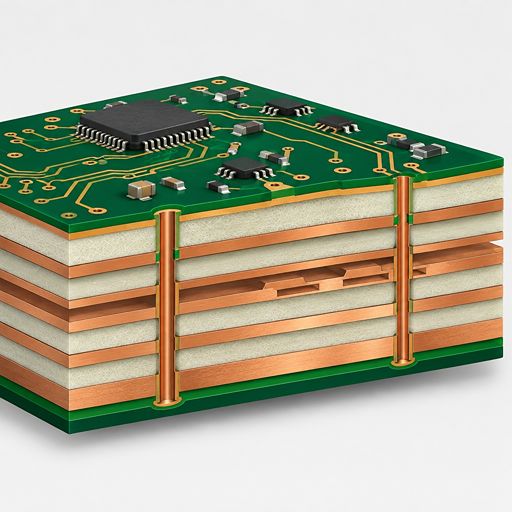
Why Do PCBs Have an Even Number of Layers?
Reasons why PCBs typically have an even number of layers
Why Do PCBs Have an Even Number of Layers?
Read More
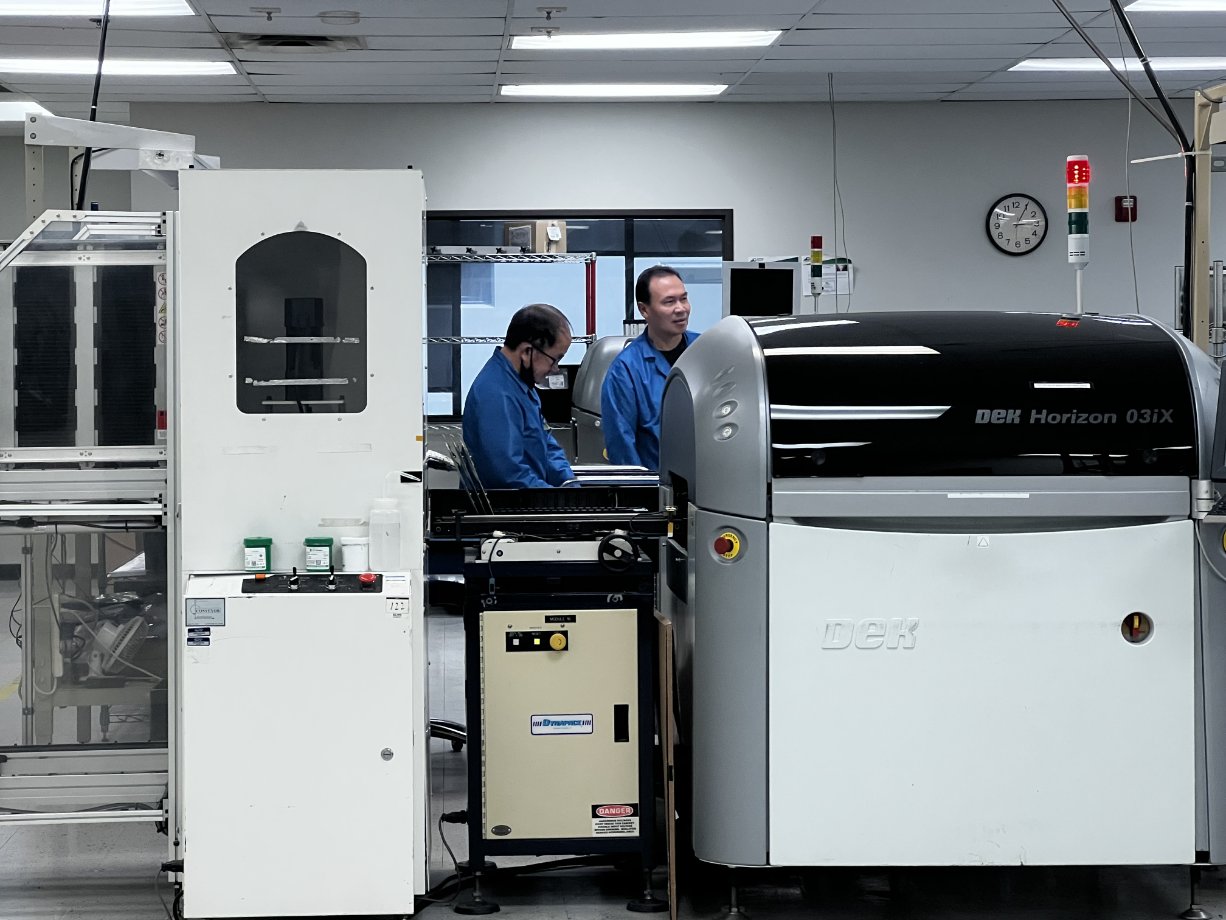
Choosing a PCB Assembly Manufacturer: What Engineers Should Know
Browse
All Categories
Recent Posts
View Recent Posts