


Choosing a PCB Assembly Manufacturer: What Engineers Should Know
Posted
7/28/2026
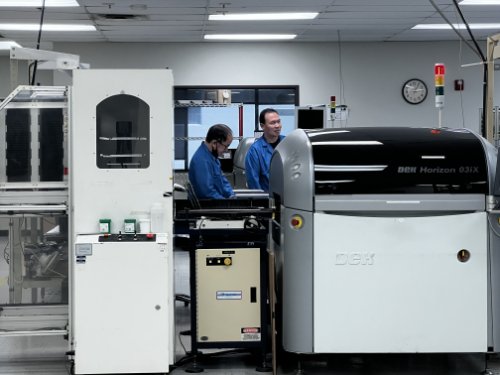
Selecting a PCB assembly manufacturer is about more than comparing prices or lead times. The right partner can improve manufacturability, reduce assembly risk, and help deliver a more reliable product. From prototype builds through low-volume production, assembly quality depends on experienced engineering, controlled manufacturing processes, and thorough inspection.
This guide explains what engineers should look for in a PCB assembly manufacturer, including assembly capabilities, quality systems, testing methods, traceability, and Design for Assembly (DFA) practices that contribute to consistent, high-quality electronic products.
AdvancedPCB supports surface mount (SMT), through-hole (THT), and mixed-technology assemblies for a wide range of commercial and high-reliability applications. Our SMT lines place components as small as 01005 packages along with fine-pitch BGAs, QFNs, and other high-density components. For through-hole assemblies, we support selective soldering and hand soldering for specialty components and low-volume requirements.
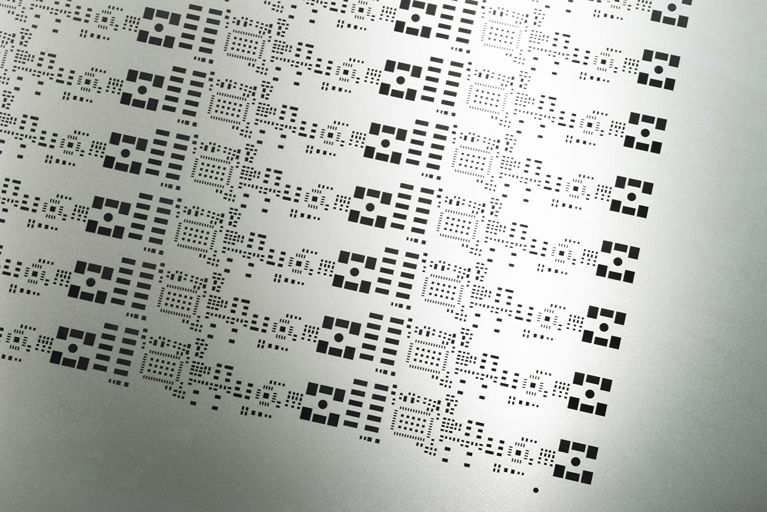
Our manufacturing equipment includes automated stencil printing, high-speed pick-and-place systems, lead-free and tin-lead reflow soldering, automated optical inspection (AOI), and X-ray inspection for hidden solder joints beneath BGAs and LGAs. These capabilities allow us to verify assembly quality throughout the manufacturing process rather than relying solely on end-of-line inspection.
For a detailed look at each stage of the manufacturing process including stencil printing, SMT placement, reflow soldering, inspection, testing, and final assembly, read our complete guide: PCB Assembly 101: Understanding the PCB Assembly Process: PCB Assembly 101.
AdvancedPCB manufactures assemblies using processes consistent with IPC J-STD-001, the industry's standard for soldering materials, processes, and workmanship, while acceptance criteria are verified using IPC-A-610. These standards help ensure solder joints, component placement, and overall assembly quality meet established industry requirements.
Quality begins before the first component is placed. Incoming materials are verified, solder paste is carefully controlled, and automated equipment is monitored throughout the pcb assembly process. Lot-level traceability is maintained for printed circuit boards and components, while ESD-safe workstations and handling procedures protect sensitive electronics during assembly. Moisture Sensitive Devices (MSDs) are stored and handled according to manufacturer recommendations to reduce the risk of moisture-related defects during reflow soldering.
Inspection is performed throughout the manufacturing process rather than only at final assembly. Automated Optical Inspection (AOI) verifies component presence, polarity, orientation, solder fillets, bridging, tombstoning, and other common assembly defects. For components with hidden solder joints, such as BGAs and LGAs, X-ray inspection can identify opens, shorts, head-in-pillow defects, and solder voiding that cannot be detected visually. Depending on product requirements, additional verification may include in-circuit testing (ICT), flying probe testing, boundary scan, functional testing, or customer-specific test procedures.
Material selection also plays an important role in long-term reliability. We support a variety of finishes and assembly materials, including: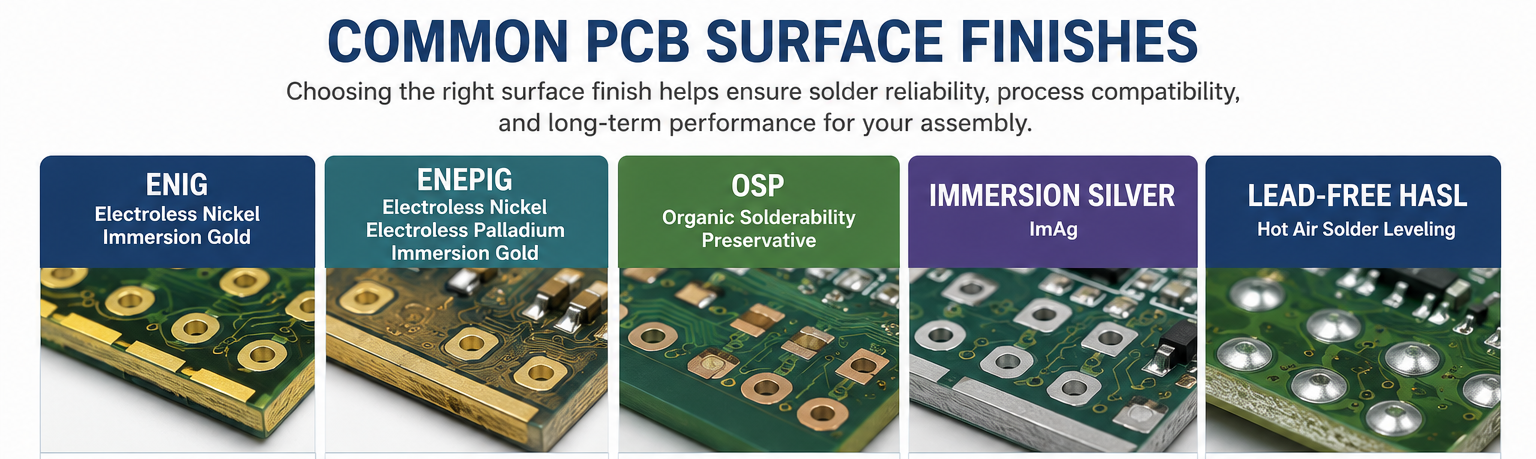
Selecting the appropriate materials, inspection methods, and manufacturing controls helps improve solder joint reliability, reduce defects, and support consistent product performance throughout the life of the assembly.
A thorough DFA review verifies component footprints, polarity markings, reference designators, package clearances, and assembly documentation. It also evaluates component spacing, solder mask clearances, thermal pad designs, and via placement to identify issues that could affect soldering, inspection, or future rework.
For products moving beyond prototypes, panelization should also be considered early in the design process. Features such as tooling rails, global and local fiducials, and breakaway tabs or V-scoring help improve automated handling and assembly efficiency. Engineers should also provide accessible test points to support flying probe or bed-of-nails ICT fixtures and simplify electrical testing after assembly.
Common design issues that can increase manufacturing costs or reduce yields include:
At AdvancedPCB, our PCB assembly services combine advanced manufacturing equipment with experienced engineers, comprehensive inspection, and rigorous quality systems to help reduce risk and improve long-term product reliability. Whether you need a quick-turn prototype, a pilot build, or low-volume quantities, we work closely with your team to identify potential manufacturing challenges before they become costly delays.
If you're evaluating PCB assembly manufacturers for your next project, our engineering and manufacturing teams are ready to review your design, answer technical questions, and recommend the most efficient path starting with fast turn prototypes.
This guide explains what engineers should look for in a PCB assembly manufacturer, including assembly capabilities, quality systems, testing methods, traceability, and Design for Assembly (DFA) practices that contribute to consistent, high-quality electronic products.
PCB Assembly Capabilities to Look For
Not every PCB assembly manufacturer offers the same level of capability. When evaluating a PCB assembly partner, consider the types of components they can place, the inspection methods they use, their production capacity, and their ability to support your product from prototype through full-scale manufacturing.AdvancedPCB supports surface mount (SMT), through-hole (THT), and mixed-technology assemblies for a wide range of commercial and high-reliability applications. Our SMT lines place components as small as 01005 packages along with fine-pitch BGAs, QFNs, and other high-density components. For through-hole assemblies, we support selective soldering and hand soldering for specialty components and low-volume requirements.
Our manufacturing equipment includes automated stencil printing, high-speed pick-and-place systems, lead-free and tin-lead reflow soldering, automated optical inspection (AOI), and X-ray inspection for hidden solder joints beneath BGAs and LGAs. These capabilities allow us to verify assembly quality throughout the manufacturing process rather than relying solely on end-of-line inspection.
PCB Assembly Process Overview
Every PCB assembly manufacturer follows a similar assembly workflow, but the quality of each step determines the reliability of the finished product. The process begins by reviewing manufacturing files, the bill of materials (BOM), and component availability before solder paste is applied to the PCB. Automated equipment then places components, followed by controlled reflow soldering, inspection, testing, and final verification before shipment. Throughout the process, manufacturers monitor critical parameters such as component placement, solder quality, and process consistency to help ensure every assembly meets design and quality requirements.For a detailed look at each stage of the manufacturing process including stencil printing, SMT placement, reflow soldering, inspection, testing, and final assembly, read our complete guide: PCB Assembly 101: Understanding the PCB Assembly Process: PCB Assembly 101.
Quality, Compliance, and Materials
Consistent assembly quality depends on controlled manufacturing processes, qualified personnel, and recognized industry standards. When evaluating a PCB assembly manufacturer, look for documented quality procedures, process controls, inspection capabilities, and traceability throughout production.AdvancedPCB manufactures assemblies using processes consistent with IPC J-STD-001, the industry's standard for soldering materials, processes, and workmanship, while acceptance criteria are verified using IPC-A-610. These standards help ensure solder joints, component placement, and overall assembly quality meet established industry requirements.
Quality begins before the first component is placed. Incoming materials are verified, solder paste is carefully controlled, and automated equipment is monitored throughout the pcb assembly process. Lot-level traceability is maintained for printed circuit boards and components, while ESD-safe workstations and handling procedures protect sensitive electronics during assembly. Moisture Sensitive Devices (MSDs) are stored and handled according to manufacturer recommendations to reduce the risk of moisture-related defects during reflow soldering.
Inspection is performed throughout the manufacturing process rather than only at final assembly. Automated Optical Inspection (AOI) verifies component presence, polarity, orientation, solder fillets, bridging, tombstoning, and other common assembly defects. For components with hidden solder joints, such as BGAs and LGAs, X-ray inspection can identify opens, shorts, head-in-pillow defects, and solder voiding that cannot be detected visually. Depending on product requirements, additional verification may include in-circuit testing (ICT), flying probe testing, boundary scan, functional testing, or customer-specific test procedures.
Material selection also plays an important role in long-term reliability. We support a variety of finishes and assembly materials, including:
- Surface finishes: ENIG, ENEPIG, OSP, Immersion Silver, and lead-free HASL
Selecting the appropriate materials, inspection methods, and manufacturing controls helps improve solder joint reliability, reduce defects, and support consistent product performance throughout the life of the assembly.
Design for Assembly (DFA): Reducing Cost and Manufacturing Risk
The best PCB assemblies begin long before boards are loaded onto the assembly line. Design for Assembly (DFA) applies manufacturing best practices during the design phase to improve yields, reduce costs, and minimize delays once a board reaches the assembly floor. An experienced PCB assembly manufacturer should review every design for potential manufacturing issues before beginning the assembly process.A thorough DFA review verifies component footprints, polarity markings, reference designators, package clearances, and assembly documentation. It also evaluates component spacing, solder mask clearances, thermal pad designs, and via placement to identify issues that could affect soldering, inspection, or future rework.
For products moving beyond prototypes, panelization should also be considered early in the design process. Features such as tooling rails, global and local fiducials, and breakaway tabs or V-scoring help improve automated handling and assembly efficiency. Engineers should also provide accessible test points to support flying probe or bed-of-nails ICT fixtures and simplify electrical testing after assembly.
Common design issues that can increase manufacturing costs or reduce yields include:
- Inadequate spacing around BGAs and other fine-pitch components
- Incorrect or unverified PCB footprints
- Missing polarity or Pin 1 indicators
- Insufficient solder mask clearance between pads
- Exposed vias in thermal pads that can cause solder wicking
- Tall components placed where they interfere with automated assembly or inspection
Choosing the Right PCB Assembly Manufacturer
Selecting a PCB assembly manufacturer is about more than equipment or lead times. The right partner combines engineering expertise, controlled manufacturing processes, thorough inspection, and consistent quality to help bring reliable electronic products to market. Look for a manufacturer that follows recognized industry standards, offers transparent communication, and can support your project requirements.At AdvancedPCB, our PCB assembly services combine advanced manufacturing equipment with experienced engineers, comprehensive inspection, and rigorous quality systems to help reduce risk and improve long-term product reliability. Whether you need a quick-turn prototype, a pilot build, or low-volume quantities, we work closely with your team to identify potential manufacturing challenges before they become costly delays.
If you're evaluating PCB assembly manufacturers for your next project, our engineering and manufacturing teams are ready to review your design, answer technical questions, and recommend the most efficient path starting with fast turn prototypes.
FAQs for Choosing a PCB Assembly Manufacturer
How do I choose the right PCB assembly manufacturer?
What is the difference between PCB fabrication and PCB assembly?
What factors affect PCB assembly cost?
What is PCB assembly?
What inspection methods are used during PCB assembly?
Related Posts
.jpg?resizemode=force&maxsidesize=1226 "Large-Scale PCB Production")
Large Scale PCB Production
Reliable, Scalable Manufacturing Solutions
Large Scale PCB Production
Read More
Browse
All Categories
Recent Posts
View Recent Posts