


Surface Mount PCB Assembly in the USA
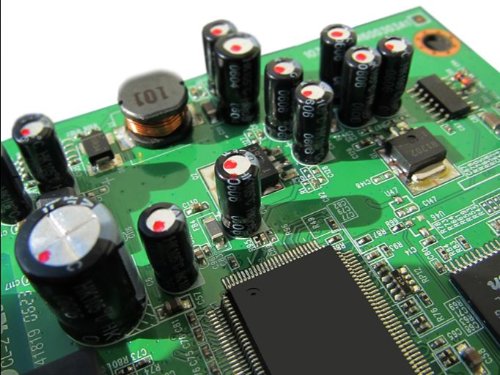
Looking for surface mount PCB assembly in the USA? AdvancedPCB provides U.S.-based surface mount technology (SMT) assembly services for quick-turn prototypes, new product introduction (NPI), and low-volume production. Our Aurora, Colorado facility combines domestic PCB fabrication with assembly services to help engineers move from design files to assembled circuit boards with fewer manufacturing handoffs.
Our capabilities include single- and double-sided SMT assembly, through-hole and mixed-technology builds, fine-pitch component placement, and advanced packages such as BGA, micro-BGA, and QFN. With full turnkey, partial turnkey, and consignment options, customers can choose the level of component sourcing and assembly support that best fits their project.
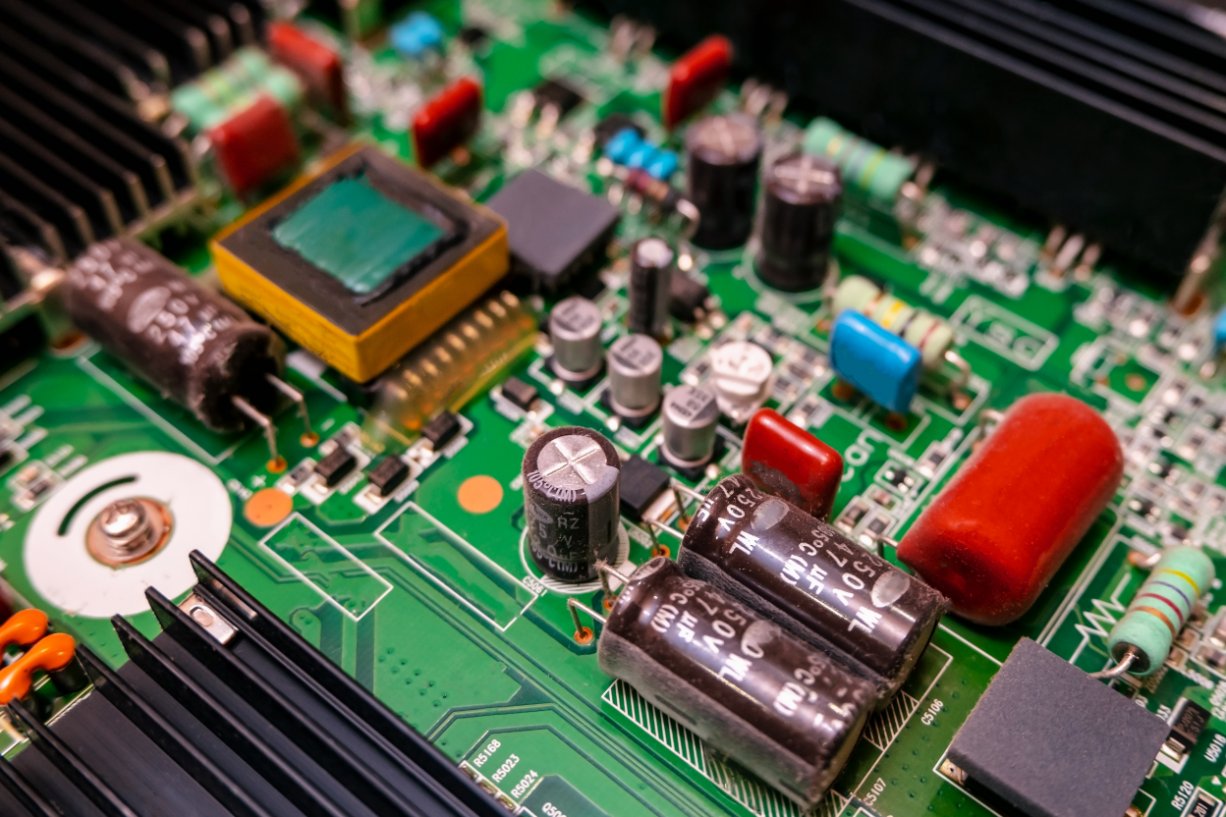
SMT assembly is widely used because it supports compact designs, high component density, automated production, and components on both sides of a PCB. Common SMT components include resistors, capacitors, integrated circuits, connectors, and advanced semiconductor packages.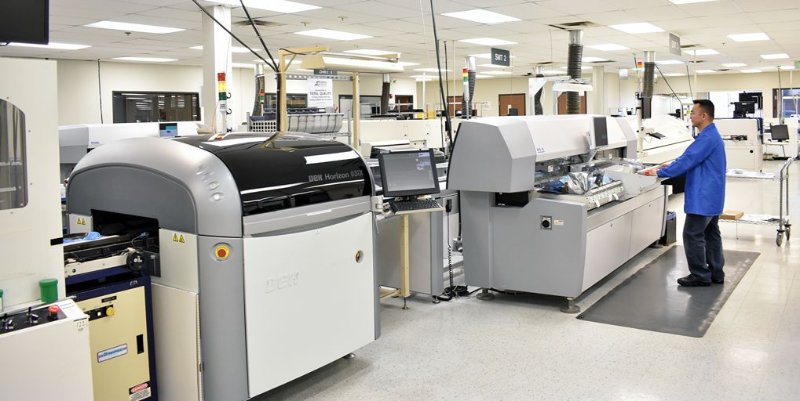 AdvancedPCB supports a range of SMT component types and assembly requirements, from standard passive components to advanced semiconductor packages.
Quick-turn assembly is particularly valuable for:
Several design considerations are particularly important for surface mount assembly.
Typical documentation includes:
Explore our PCB Assembly Services or contact AdvancedPCB to discuss your next surface mount PCB assembly project.
Our capabilities include single- and double-sided SMT assembly, through-hole and mixed-technology builds, fine-pitch component placement, and advanced packages such as BGA, micro-BGA, and QFN. With full turnkey, partial turnkey, and consignment options, customers can choose the level of component sourcing and assembly support that best fits their project.
What Is Surface Mount PCB Assembly?
Surface mount PCB assembly is the process of attaching electronic components directly to the surface of a printed circuit board using solder paste, automated component placement, and controlled reflow soldering. Unlike traditional through-hole assembly, which uses component leads inserted into drilled holes, surface mount technology (SMT) allows many components to be placed directly onto copper pads on the board.SMT assembly is widely used because it supports compact designs, high component density, automated production, and components on both sides of a PCB. Common SMT components include resistors, capacitors, integrated circuits, connectors, and advanced semiconductor packages.
Comprehensive SMT Assembly Services
AdvancedPCB offers several assembly options to accommodate different sourcing requirements, production schedules, and project needs.Full Turnkey PCB Assembly
With full turnkey PCB assembly, AdvancedPCB manages PCB fabrication, component procurement, and assembly. This approach simplifies supplier coordination by bringing the major manufacturing steps under one provider. It can be especially valuable for prototype programs where engineering changes, component availability, and delivery schedules must be managed closely.Partial Turnkey PCB Assembly
Partial turnkey assembly allows customers to supply selected components while AdvancedPCB procures the remaining materials and completes assembly. This option is useful when certain components are already in inventory, require customer-controlled sourcing, or have been purchased in advance.Consigned PCB Assembly
With consignment assembly, customers supply the bare PCBs and electronic components for assembly. Consignment may be appropriate when materials have already been purchased or sourcing must remain under customer control.Surface Mount PCB Assembly Capabilities
AdvancedPCB supports a range of SMT component types and assembly requirements, from standard passive components to advanced semiconductor packages.
Fine-Pitch and Advanced Component Assembly
- Our documented assembly capabilities include:
- Passive components down to 0201
- Ball grid arrays (BGA), micro-BGA, and very fine-pitch BGA
- Quad flat packages (QFP) and thin QFP
- Quad flat no-lead (QFN) packages
- Land grid arrays (LGA)
- Chip-scale packages (CSP)
- Single- and double-sided SMT assembly
Mixed-Technology PCB Assembly
Many electronic assemblies contain both surface mount and through-hole components. AdvancedPCB supports mixed-technology builds that combine SMT components with connectors, power components, and other devices requiring through-hole mounting. Available processes include selective soldering and other assembly methods selected according to the component and board requirements.Additional Assembly Processes
Depending on the application, AdvancedPCB also offers capabilities such as conformal coating, underfill, press-fit assembly, shielding installation, and BGA repair or reballing. These processes support applications that require additional mechanical protection, environmental resistance, or specialized component handling.Quick-Turn PCB Assembly in the USA
Short development schedules often require assembled circuit boards in days rather than weeks. AdvancedPCB offers 3-, 5-, and 10-day quick-turn PCB assembly options, depending on the project's requirements, component availability, and selected service. Our U.S.-based fabrication and assembly capabilities help reduce coordination between separate suppliers and support faster communication when design questions arise.Quick-turn assembly is particularly valuable for:
- Engineering prototypes and proof-of-concept builds
- New product introduction (NPI)
- Design revisions and validation
- Small production batches
- Time-sensitive replacement or development boards
PCB Assembly Inspection and Quality Control
Solder joint quality, component orientation, material handling, and inspection all contribute to the performance of the finished assembly. AdvancedPCB uses multiple inspection and testing methods to support assembly quality.Automated Optical Inspection (AOI)
Automated optical inspection uses imaging systems to identify visible assembly defects, such as missing or misaligned components, incorrect polarity, and certain soldering defects. AOI helps identify problems during the assembly process so they can be evaluated and corrected.X-Ray Inspection for BGA Components
X-ray inspection is particularly useful for components with hidden solder joints, including BGAs. It allows technicians to evaluate features that cannot be seen through standard visual inspection, such as solder joint alignment, bridging, and certain voiding conditions.Electrical and Functional Testing
Depending on project requirements, electrical verification and functional testing can help determine whether the assembled board operates as intended. Testing requirements should be defined during the quotation and engineering review process because coverage depends on the design, available test access, fixtures, and customer-provided procedures.Why Choose a U.S.-Based PCB Assembly Manufacturer?
For engineers and purchasing teams, choosing a domestic PCB assembly provider can offer advantages beyond geographic proximity.Faster Engineering Communication
Working with a U.S.-based assembly team can simplify discussions about component substitutions, design changes, inspection requirements, and manufacturing questions. Direct communication is especially valuable during prototype development, when design revisions may occur frequently.Domestic PCB Fabrication and Assembly
AdvancedPCB operates six PCB manufacturing facilities across the United States, with PCB fabrication and assembly services available through its Aurora, Colorado operation. Combining fabrication and assembly under one provider can reduce supplier handoffs and improve coordination between bare-board manufacturing and component assembly.Supply Chain Flexibility
Component shortages and long lead times can delay even relatively simple PCB assemblies. Engineers can help reduce sourcing risk by identifying approved component alternatives in the bill of materials (BOM) and discussing availability early in the project. Any component substitution should be reviewed for electrical, mechanical, thermal, and qualification requirements before approval.Support for High-Reliability Applications
AdvancedPCB serves customers in aerospace, defense, medical, industrial, and other demanding markets. Manufacturing requirements may include documented quality processes, traceability, special inspection procedures, and customer-specific acceptance criteria. Discuss these requirements with the assembly team before production to confirm the appropriate process and documentation.Design for Manufacturing: Preparing Your PCB for SMT Assembly
Design for manufacturability (DFM) and design for assembly (DFA) reviews help identify potential production issues before components are placed.Several design considerations are particularly important for surface mount assembly.
- Component spacing: Provide sufficient clearance for placement equipment, soldering processes, inspection, and rework.
- Pad and footprint design: Use component footprints that follow the manufacturer's recommendations and applicable industry guidance.
- Solder paste requirements: Appropriate stencil apertures and paste volumes help control solder joint formation, especially for fine-pitch and bottom-terminated components.
- Thermal considerations: Large copper areas, thermal pads, and components with different thermal masses can influence reflow performance.
- Panelization: Board dimensions, breakaway features, tooling holes, and fiducials can affect assembly handling and placement accuracy.
- Test accessibility: Consider test points and functional testing requirements early in the design.
What Files Are Needed for a PCB Assembly Quote?
Providing complete design and manufacturing information helps the assembly team evaluate your project and prepare an accurate quotation.Typical documentation includes:
- PCB fabrication files: Gerber files and drill data, or another accepted fabrication data package.
- Bill of materials (BOM): Component quantities, manufacturer part numbers, and approved alternatives.
- Pick-and-place file: Component reference designators, coordinates, and rotations.
- Assembly drawings: Component orientation, placement notes, and special instructions.
- Assembly quantities: Prototype and anticipated production requirements.
- Testing requirements: Electrical, functional, inspection, or documentation needs.
Surface Mount PCB Assembly Services from AdvancedPCB
AdvancedPCB combines U.S.-based PCB fabrication, SMT assembly, component sourcing options, and engineering support to help customers move efficiently from prototype to finished assembly. Whether you need a small prototype build, a mixed-technology assembly, or support for an upcoming product launch, our team can review your requirements and help identify the appropriate manufacturing approach.Explore our PCB Assembly Services or contact AdvancedPCB to discuss your next surface mount PCB assembly project.

AdvancedPCB
FAQs for SMT Assembly
How quickly can AdvancedPCB assemble prototype PCBs?
Can AdvancedPCB assemble BGA and QFN components?
What is the difference between SMT and through-hole PCB assembly?
What is the difference between turnkey and consigned PCB assembly?
Where can I get surface mount PCB assembly in the USA?
Related Posts
Prototype PCB Fabrication in the USA
Fast, reliable and made to exact specifications
Prototype PCB Fabrication in the USA
Read More
Choosing a PCB Assembly Manufacturer: What Engineers Should Know
Electronic Components
Types, Functions, and How to Choose the Right Parts for Your PCB
Electronic Components
Read More
Browse
All Categories
Recent Posts
View Recent Posts