Large Scale PCB Production
.jpg?resizemode=force&maxsidesize=500 "Large-Scale PCB Production")
What Is Large-Scale PCB Production?
Large scale PCB production is the high-volume manufacturing of printed circuit boards using standardized processes, automated equipment, statistical process control, and documented quality systems to produce consistent boards over repeated production runs. Compared with prototype manufacturing, high-volume PCB production emphasizes repeatability, supply chain stability, process capability, and cost efficiency while maintaining consistent electrical and mechanical performance.Why Move to Large Scale PCB Production?
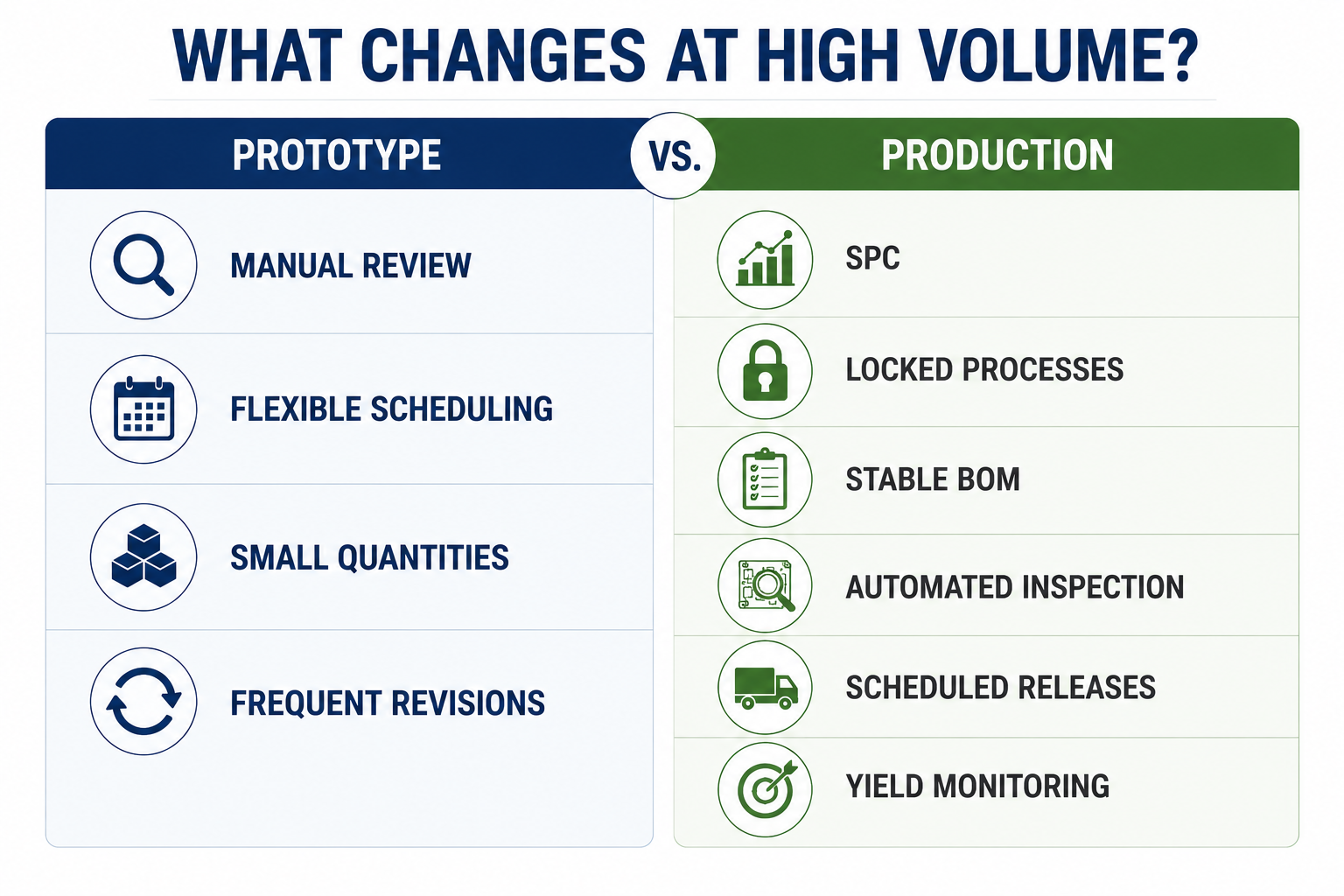
Transitioning from prototype to volume brings measurable advantages. As quantities increase, tooling and setup are amortized across larger lots, driving down unit cost. Repeatable processes reduce variation between builds, while dedicated line capacity and standardized workflows improve schedule reliability. For products in growth or maturity phases, volume manufacturing stabilizes supply and strengthens margins. This is where a seasoned production PCB manufacturer adds value by locking processes and documenting controls for repeatability.Robust capacity and process controls improve yield and reduce risk. Statistical Process Control (SPC), process capability monitoring (Cp/Cpk), documented work instructions, and in-process inspection identify process variation before it affects product quality. Standardized panelization, materials, and proven assembly profiles minimize defects. The result is higher first-pass yield, fewer returns, and stable performance across every lot.
Our Large Scale Production Capabilities
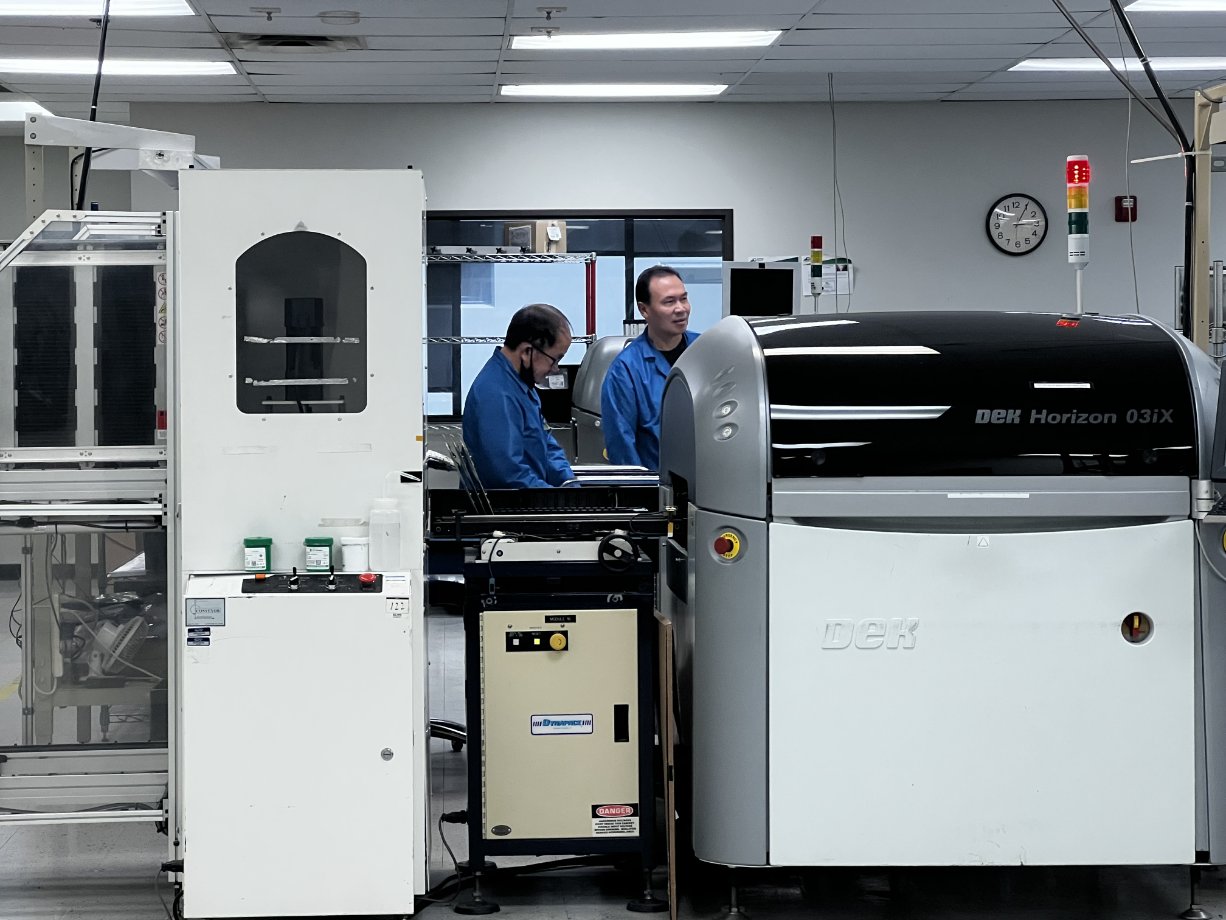
Depending on complexity, typical volume ranges span tens of thousands of boards per month. Our production PCB approach ensures capacity plans match your ramp schedules for large scale PCB production and ongoing circuit boards manufacturing.- Fabrication
- SMT Assembly
- Inspection and Test:
- Through-Hole and Finishing
- Quality systems and certifications
High-volume manufacturing performance is typically measured using key metrics such as First Pass Yield (FPY), defect rates, on-time delivery, and process capability (Cp/Cpk). Monitoring these indicators helps verify process stability, identify opportunities for continuous improvement, and maintain consistent product quality across every production run.
Cost, Lead Time, and Pricing Considerations
Volume directly influences cost factors. As quantities rise, non-recurring engineering (NRE), tooling, and setup fees are spread across more boards, lowering the per-unit price. We provide transparent pricing tiers and break-even analysis to determine when shifting from small-batch to volume delivers the best value. For many programs, the break-even point is reached when recurring demand justifies dedicated tooling, optimized panels, and consolidated procurement.
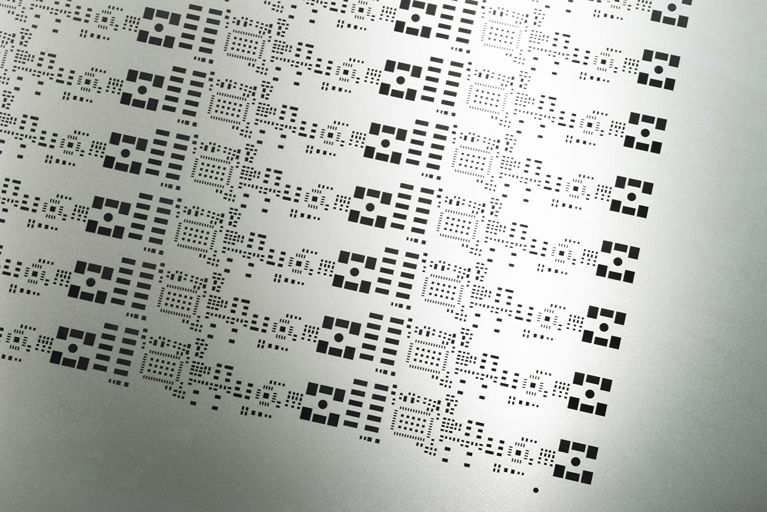
We optimize cost without compromising quality through panel optimization, strategic sourcing, and process standardization. Efficient panelization reduces waste and cycle time. Approved vendor lists and multi-sourcing mitigate risk and pricing volatility. Standardized solder paste, stencil thicknesses, and reflow profiles cut changeover time and scrap, improving consistency and cost during large scale PCB production.
| Cost Lever | Impact at Scale | Typical Actions |
|---|---|---|
| Panel Utilization | Lower material cost per board | Optimized array layout, V-score standards |
| Setup Amortization | Reduced unit price | Larger lot sizes, consolidated runs |
| Sourcing Strategy | Stable pricing and supply | AVL alignment, alternates, blanket POs |
| Process Standardization | Higher yield, less scrap | Locked recipes, common materials |
Design for Manufacturability (DFM) for Large Runs
Small, thoughtful design changes create substantial savings at volume. Effective panelization lowers fabrication and assembly costs and simplifies routing. Early DFM review cuts rework and speeds the ramp. We recommend reviews before finalizing stackup, solder mask clearances, and impedance targets. Identifying critical-to-quality characteristics early allows process validation during pilot runs and avoids costly respins after tooling is committed. These steps answer a core aspect of how a PCB is manufactured reliably at volume.Practical guidance inspired by industry best practices highlights additional success factors at scale: lock down the bill of materials with life cycle checks, build test strategies early, and ensure documentation (drawings, fabrication notes, and acceptance criteria) is complete so the path to mass-market success is smooth and efficient across circuit board manufacturing programs.
Seamless Transition from Prototype to Mass Production
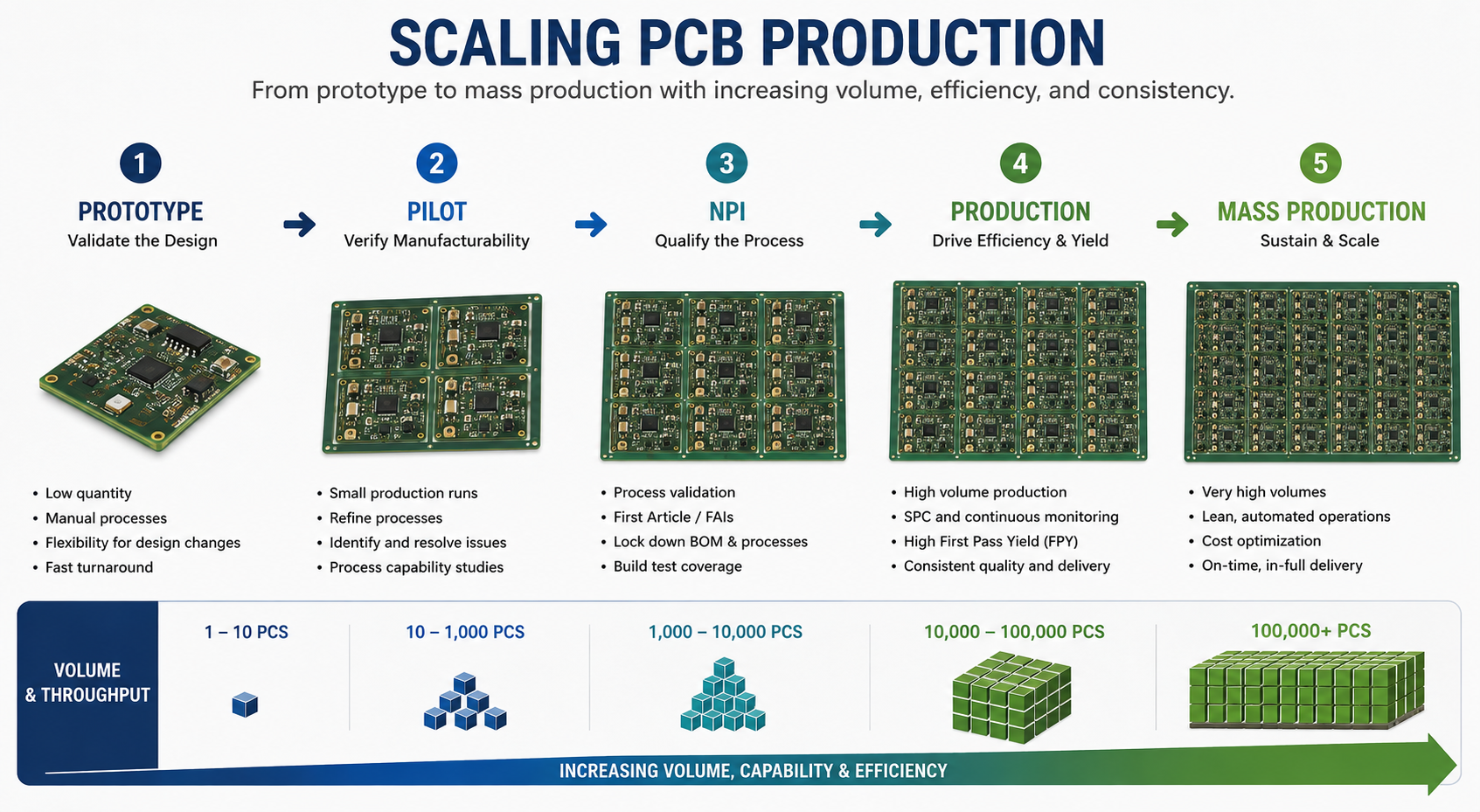
Successful large-scale PCB production requires more than manufacturing capacity. It depends on validated processes, disciplined quality systems, reliable supply chain management, and continuous process monitoring to deliver consistent results as production volumes grow. From pilot builds and First Article Inspection (FAI) through full-rate production, manufacturing processes should remain controlled, traceable, and supported by proactive component lifecycle management. By monitoring key metrics such as First Pass Yield (FPY), defect rates, on-time delivery, and process capability (Cp/Cpk), an experienced PCB production manufacturer helps ensure consistent quality, reliable delivery, and long-term manufacturing success.Scaling Beyond Domestic Production
For programs that outgrow domestic production volumes or require a global manufacturing strategy, transitioning to offshore production can provide additional capacity and cost advantages while maintaining quality expectations. AdvancedPCB supports this transition through a structured global manufacturing approach, leveraging qualified international manufacturing partners, standardized process documentation, and consistent engineering oversight. Customers can validate designs through U.S.-based prototype and pilot production, then seamlessly scale to high-volume global manufacturing when program requirements, demand, or cost objectives make it the right business decision. This hybrid approach helps reduce risk during product introduction while providing the flexibility to optimize manufacturing throughout the product lifecycle.FAQs for Large Scale PCB Production
Related Posts